iPhone Security Updates: How Long Will Your Model Stay Protected in 2026?
The Silent Lifeline: iPhone Security Updates in 2026
Beyond the annual clamor for new features and hardware upgrades, lies a less-discussed but critically important aspect of iPhone ownership: security updates. In 2026, with the iPhone ecosystem spanning over a decade and a half of device iterations, understanding Apple's security update policy is paramount for both current users and those considering entering the pre-owned iPhone market.
Editor's pick: Refurbished iPhones on Amazon → As an Amazon Associate, this site earns from qualifying purchases.
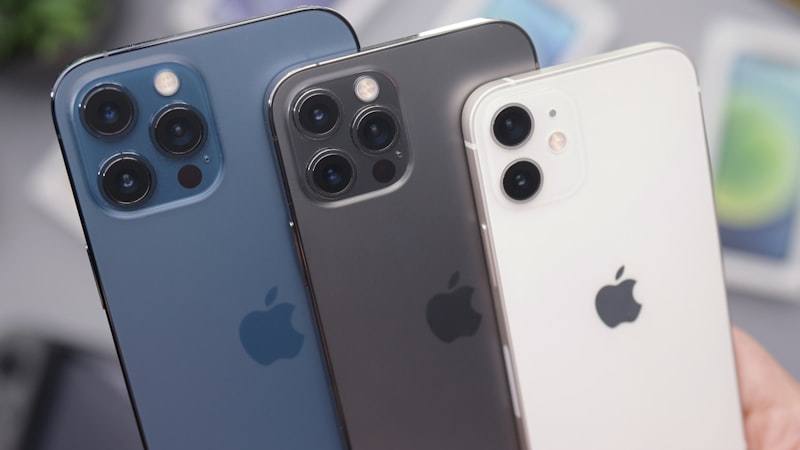
Apple doesn't publish a fixed end-of-life date for security updates for its devices. Instead, the company typically provides updates for iPhones for five to six years after the device's initial release. This timeframe is influenced by several factors, including hardware capabilities, software architecture, and the evolving threat landscape.
The A-Series Chip and Update Longevity
A significant determinant of an iPhone's update lifespan is its A-series chip. Newer chips boast improved processing power and security features, allowing them to handle increasingly complex security protocols and software updates. As vulnerabilities are discovered and patched, older chips may struggle to efficiently run the necessary code, eventually leading to the cessation of security support.
For example, iPhones powered by the A10 chip and earlier are unlikely to receive any further security updates in 2026. This means that models like the iPhone 7 and earlier are vulnerable to newly discovered exploits, making them unsuitable for sensitive activities like online banking or storing personal information. Users of these devices are strongly advised to consider upgrading to a more recent model.
iOS Versions and the Update Landscape
Apple typically supports multiple versions of iOS concurrently, providing security updates for the current version and the immediately preceding version. This allows users who haven't upgraded to the latest iOS for various reasons (compatibility issues, personal preference) to still receive critical security patches. However, this support window eventually closes, forcing users to either upgrade to the latest iOS or face increased security risks.
In 2026, expect Apple to focus its security efforts on the latest iOS and potentially the version released the previous year. Older iOS versions will gradually lose support, further emphasizing the importance of staying up-to-date with the latest software releases.
The Trade-Off: Performance vs. Security
One of the common concerns surrounding software updates on older iPhones is the potential for performance degradation. While Apple optimizes its updates to run as smoothly as possible on older hardware, there is inevitably a trade-off between new features, security enhancements, and overall performance. Users with older devices may experience slowdowns, reduced battery life, or other performance issues after upgrading to the latest iOS. This is something to consider when weighing upgrade options. We have examined display performance impacts across various models, as we explored in our analysis of display technology at iPhone View, and software updates can sometimes affect these too.
Beyond Apple: Third-Party Security Considerations
While Apple provides security updates for its devices, users also play a crucial role in maintaining their iPhone's security. Practicing safe browsing habits, avoiding suspicious links or downloads, and using strong passwords are all essential steps in protecting against malware and other security threats. Additionally, enabling two-factor authentication adds an extra layer of security to your Apple ID and other online accounts.
The Upgrade Imperative
In 2026, the question of whether to upgrade your iPhone is increasingly tied to security considerations. While older iPhones may still function adequately for basic tasks, their vulnerability to security exploits makes them a risky proposition for everyday use. Users who prioritize security should carefully consider upgrading to a more recent model that will continue to receive timely security updates. This is especially true for users who handle sensitive information or rely on their iPhone for financial transactions.
Furthermore, the increasing complexity of apps and web services often require the latest iOS features and security protocols. Older iPhones that are no longer supported by these updates may experience compatibility issues or be unable to access certain services altogether. This is increasingly relevant to design, too, and as we've covered at iPhone Arc, the iPhone's form factor continues to evolve in ways that require newer software to take full advantage.
The decision to upgrade your iPhone is ultimately a personal one, but in 2026, security considerations should be a primary factor in that decision. Staying informed about Apple's security update policy and understanding the risks associated with using unsupported devices is crucial for protecting your data and maintaining a secure digital life.