iPhone 13 to iPhone 15: Is Now the Right Time to Upgrade in 2026?
As of mid-2026, many iPhone users are still holding onto their reliable iPhone 13 models. Launched in late 2021, the iPhone 13 remains a highly capable device, offering solid performance and a robust camera system. However, with the iPhone 15 now firmly established in the market, the question arises for many: is it finally time to make the jump? This analysis will delve into the key differences between the iPhone 13 and iPhone 15 to help you determine if an upgrade is worthwhile for you in 2026.
Editor's pick: Refurbished iPhones on Amazon → As an Amazon Associate, this site earns from qualifying purchases.
Performance and Longevity: A Leap Forward
The iPhone 13 is powered by Apple's A15 Bionic chip. While still remarkably fast for everyday tasks, web browsing, and most gaming, it's now three generations behind the latest silicon. The iPhone 15, on the other hand, inherited the A16 Bionic chip from the iPhone 14 Pro models. This translates to a notable performance boost, particularly in demanding applications, intensive gaming, and computational photography processing.
For the average user, the A15 Bionic in the iPhone 13 still feels snappy. However, if you're a power user or intend to keep your next phone for several years, the A16 Bionic offers a significant advantage in future-proofing. More efficient core designs mean that while both phones will continue to receive software updates for the foreseeable future, the iPhone 15 is guaranteed to support new iOS features for a longer period, extending its practical lifespan.
Camera System: A Clear Evolution
The camera system is often a primary driver for upgrades, and here the iPhone 15 presents a compelling case. The iPhone 13 features a dual 12MP camera setup with a Wide and an Ultra Wide lens, renowned for its excellent image quality, especially in good lighting. It introduced Cinematic Mode and improved low-light performance over its predecessors.
The iPhone 15, however, takes a substantial leap forward. It boasts a 48MP Main camera sensor (borrowed from the iPhone 14 Pro), which defaults to shooting 24MP photos using pixel-binning technology. This results in far greater detail and improved low-light performance. Critically, the larger sensor also enables a 2x optical quality telephoto option by cropping into the 48MP sensor, giving users more versatility without needing a dedicated telephoto lens. Smart HDR 5 on the iPhone 15 further refines dynamic range and color accuracy. If photography is a priority, the iPhone 15 offers a tangible upgrade.
Display and Design: Dynamic Island and USB-C
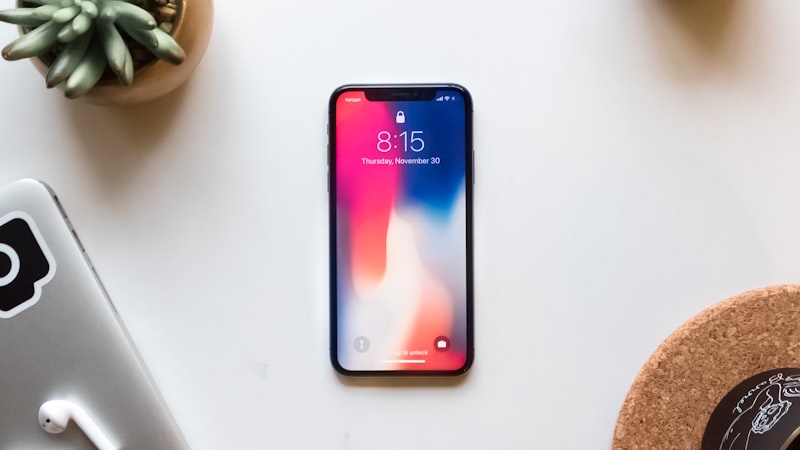
Visually, the most striking difference on the front of the iPhone 15 is the introduction of the Dynamic Island, replacing the notch. This interactive pill-shaped area fluidly displays alerts, activities, and notifications, offering a more engaging user experience. The iPhone 15 also features a brighter Super Retina XDR OLED display, capable of reaching up to 2000 nits peak outdoor brightness, making it significantly more legible in direct sunlight compared to the iPhone 13's already excellent panel. As we've explored in detail at iPhone View regarding display technology and brightness comparisons (https://iphoneview.com), the iPhone 15 offers a notably brighter panel and the Dynamic Island brings a new interactive experience.
Perhaps the most significant design change for many is the switch from Lightning to USB-C on the iPhone 15. This universal port simplifies charging and data transfer, allowing you to use one cable for your iPhone, iPad, and MacBook. While the iPhone 13's Lightning port is still widely supported, USB-C offers greater convenience and faster data transfer speeds when connected to compatible accessories. The iPhone 15 also sports a new contoured edge design and a color-infused frosted glass back, providing a more refined aesthetic and improved grip over the glossy finish of the iPhone 13.
Battery Life and Other Features
While the iPhone 13 offers commendable battery life, the iPhone 15 builds on this with a slightly larger battery capacity and the more power-efficient A16 Bionic chip. In real-world usage, this often translates to marginally better endurance, particularly as your iPhone 13's battery health naturally degrades over time. If your iPhone 13's battery health is significantly below 80-85%, an upgrade to the iPhone 15 will certainly feel like a substantial improvement in daily longevity.
Beyond the core upgrades, the iPhone 15 includes several safety features introduced in prior models, such as Emergency SOS via Satellite and Crash Detection, which are not present on the iPhone 13. These features offer an added layer of security and peace of mind.
Making Your Decision in 2026
Upgrading from an iPhone 13 to an iPhone 15 in 2026 is a decision that hinges on your individual needs and priorities. Here’s a summary to guide your choice:
- Upgrade if: You prioritize significant camera improvements (especially the 48MP main sensor and 2x telephoto option), desire the modern Dynamic Island interface, need the convenience of USB-C, want the performance gains of the A16 Bionic for future-proofing, or your iPhone 13's battery health is significantly degraded.
- Hold off if: Your iPhone 13 still meets all your performance and photography needs, its battery health is still strong, and you don't feel a compelling urge for the latest design or connectivity changes. The iPhone 13 remains a very capable smartphone in 2026.
Consider the trade-in value of your iPhone 13, which will contribute towards the cost of an iPhone 15. For those on a tighter budget, exploring the refurbished market for an iPhone 15 can also be a smart financial move to gain these upgrades at a lower price point.