iPhone Upgrade Fatigue: Are Incremental Improvements Enough Anymore?
The Plateau of Innovation: Have We Reached Peak iPhone?
The annual iPhone release cycle has become a predictable rhythm for tech enthusiasts and casual users alike. However, a growing sentiment is emerging: iPhone upgrade fatigue. While each new generation brings improvements, the advancements are often incremental, leaving many wondering if the cost of upgrading outweighs the benefits.
Editor's pick: Refurbished iPhones on Amazon → As an Amazon Associate, this site earns from qualifying purchases.
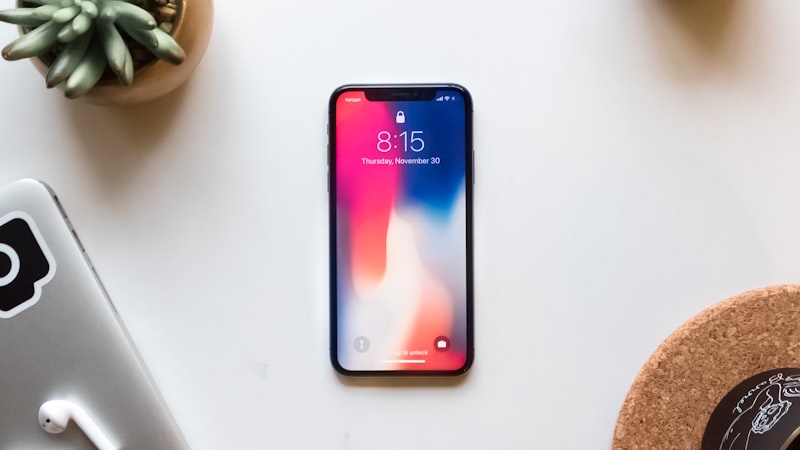
The iPhone's evolution has undeniably slowed. Gone are the days of revolutionary leaps in design or functionality. Instead, we see refinements to existing features, slightly better cameras, and marginally faster processors. This isn't necessarily a bad thing; the iPhone is already a highly refined product. But it does raise the question: at what point do these small improvements cease to be compelling enough to justify the expense of a new device?
Analyzing the Incremental Gains
Let's consider some common upgrade justifications:
- Camera Improvements: While computational photography continues to advance and sensor technology improves, the practical difference between photos taken on a two- or three-year-old iPhone and the latest model is often negligible for everyday users. The improvements are primarily noticeable in challenging lighting conditions or when capturing highly detailed images, scenarios that don't apply to the vast majority of smartphone photography.
- Processor Speed: Apple's A-series chips consistently outperform the competition, but the real-world impact of these performance gains is becoming less noticeable. Most users primarily use their iPhones for browsing, social media, and streaming video, tasks that even older iPhones handle with ease. The extra processing power is mainly relevant for demanding games, video editing, or augmented reality applications.
- Display Enhancements: While display technology has improved over the years, with brighter screens and more accurate colors, the difference between an OLED display on a recent model and one from a few generations prior is often subtle. As we explored in our analysis of display technology at iPhone View, the human eye has a limited ability to perceive incremental improvements in color accuracy and brightness.
The Cost-Benefit Analysis
The price of a new iPhone continues to climb, making the decision to upgrade a significant financial commitment. When evaluating whether to upgrade, it's crucial to consider the total cost of ownership, including the price of the phone itself, the cost of accessories, and any potential data transfer or setup fees. Furthermore, the environmental impact of constantly upgrading should also be considered.
Alternatives to the Annual Upgrade
For those experiencing iPhone upgrade fatigue, several alternatives exist:
- Extend the Lifespan of Your Current iPhone: With proper care and battery management, an iPhone can easily last for three or four years, or even longer.
- Consider a Battery Replacement: If your iPhone's performance is being hampered by a degraded battery, replacing it can significantly improve its performance and extend its lifespan.
- Explore Refurbished Options: A certified refurbished iPhone can offer significant savings compared to buying a new device.
Conclusion: A Personal Decision
Ultimately, the decision of whether or not to upgrade your iPhone is a personal one. There is no right or wrong answer. However, it's important to carefully consider the incremental improvements offered by the latest models and weigh them against the cost and environmental impact of upgrading. For many users, the small gains may no longer be worth the expense, leading them to embrace a more sustainable and cost-effective approach to iPhone ownership.
Questions readers ask
Have patents or job listings hinted at upgrade fatigue incremental improvements?
Yes — recent USPTO filings reference adjacent mechanisms, and Apple has been quietly posting roles in the relevant hardware and software teams. None of that guarantees a ship date, but it confirms the project is actively staffed.
Who is the realistic day-one buyer for upgrade fatigue incremental improvements?
Enthusiasts and developers buy the first run. Mainstream adoption tracks the second-generation revision, once the rough edges are sanded down and the price comes in roughly $100 lower at the same tier.
Does iOS need rearchitecting to make upgrade fatigue incremental improvements work properly?
Apple would need a window manager or surface-handling layer in iOS to do this well. The plumbing already exists on iPadOS in a limited form, so the engineering question is less invention and more refinement.
Where is Apple's supply chain on upgrade fatigue incremental improvements right now?
Reports out of Asia consistently cite a handful of suppliers competing on the relevant component, with Apple splitting orders rather than single-sourcing. That hedging pattern tends to mean a real product is being prepared, not just an R&D exploration.
In short — what's the takeaway on more from iphone evolve?
It comes back to whether Apple can ship upgrade fatigue incremental improvements without compromising the parts of the iPhone people already pay for. The detail in this section is where that case is made or broken.