iPhone Upgrade Fatigue: Are We Reaching Peak iPhone?
iPhone Upgrade Fatigue: Are We Reaching Peak iPhone?
For years, the annual iPhone upgrade cycle was a guaranteed revenue stream for Apple and a source of excitement for tech enthusiasts. A new iPhone meant a better camera, a faster processor, and often a redesigned aesthetic. However, in 2026, a growing sense of "upgrade fatigue" is permeating the iPhone market. Are we reaching a point where the incremental improvements no longer justify the cost and hassle of upgrading every year or two?
Editor's pick: Refurbished iPhones on Amazon → As an Amazon Associate, this site earns from qualifying purchases.
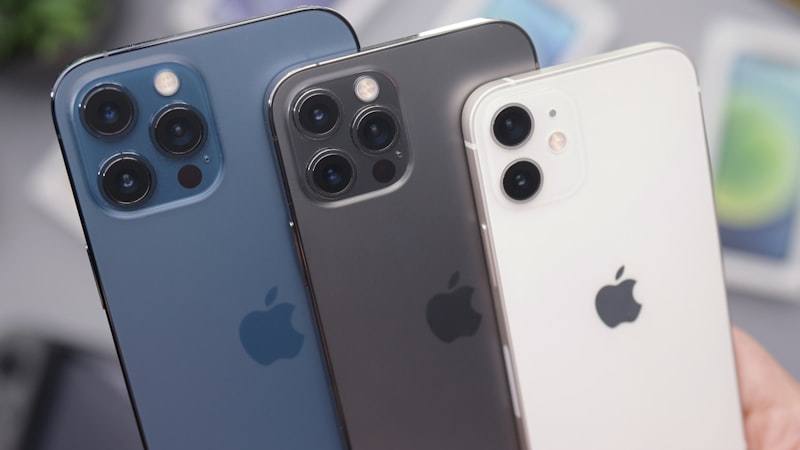
Several factors are contributing to this phenomenon. Firstly, the pace of innovation in smartphone technology has slowed considerably. The dramatic leaps in camera technology, processor performance, and display quality that characterized the early years of the iPhone have given way to more incremental advancements. While the iPhone 18 (anticipated later this year) is expected to feature further improvements in computational photography and potentially a more energy-efficient processor, these upgrades might not be compelling enough for users of relatively recent models like the iPhone 15 or even the iPhone 16.
Secondly, the longevity of iPhones has increased significantly. Apple's commitment to software updates, combined with the robust build quality of its devices, means that iPhones are now capable of lasting for five years or more without becoming obsolete. While battery life remains a concern for older devices, Apple's battery replacement program and third-party repair options offer viable solutions, mitigating the need for a complete phone replacement. This is something we've covered extensively in our guide to iPhone battery health in 2026.
Thirdly, the increasing cost of iPhones is a significant barrier to frequent upgrades. The flagship models, particularly the Pro and Pro Max variants, command premium prices, making them a substantial investment. Coupled with the rising cost of cellular data plans and other associated expenses, the financial burden of upgrading every year is becoming increasingly difficult to justify for many consumers.
The pre-owned iPhone market, which we analyzed earlier this year, is also contributing to upgrade fatigue. A robust secondary market provides consumers with access to relatively recent iPhone models at significantly lower prices. For users who are primarily interested in basic functionality and don't require the latest and greatest features, a pre-owned iPhone offers a compelling alternative to buying a new device.
Furthermore, the design evolution of the iPhone, while generally well-received, has become more iterative than revolutionary. While Apple continually refines its industrial design, the overall form factor of the iPhone has remained largely consistent for several generations. As we explored in our analysis of display technology at iPhone View (https://iphoneview.com), the improvements in screen brightness, color accuracy, and refresh rate are noticeable, but they may not be significant enough to drive upgrade decisions for all users.
The Impact on Apple
The growing trend of upgrade fatigue presents a challenge for Apple. The company can no longer rely solely on annual hardware upgrades to drive revenue growth. To maintain its position in the market, Apple needs to focus on other strategies, such as expanding its services offerings, developing new product categories, and creating more compelling reasons for consumers to upgrade their iPhones.
One potential solution is to offer more flexible upgrade programs, such as subscription-based models that allow users to upgrade their iPhones more frequently at a lower cost. Another approach is to focus on differentiating the user experience through software and services, creating a stronger ecosystem that encourages users to remain within the Apple fold.
The Future of the iPhone Upgrade Cycle
The days of the annual iPhone upgrade being a must-do for every consumer may be coming to an end. As the pace of innovation slows, the cost of iPhones increases, and the longevity of devices improves, upgrade fatigue is likely to become an even more prominent trend in the years to come. Apple will need to adapt its strategy to address this changing landscape and find new ways to maintain its dominance in the smartphone market. The future may lie in offering value through services and subscriptions, rather than solely relying on the allure of the latest hardware.