iPhone Upgrade: Assessing the Value of Enhanced Durability
iPhone Upgrade: Assessing the Value of Enhanced Durability
In the ever-evolving landscape of smartphone technology, the decision to upgrade your iPhone is often driven by a combination of factors. While camera improvements, processing power, and new features undoubtedly play a significant role, the often-overlooked aspect of device durability has become increasingly relevant. Apple has consistently focused on enhancing the resilience of its iPhones, most notably through features like Ceramic Shield. But how much should enhanced durability factor into your upgrade decision?
Editor's pick: Refurbished iPhones on Amazon → As an Amazon Associate, this site earns from qualifying purchases.
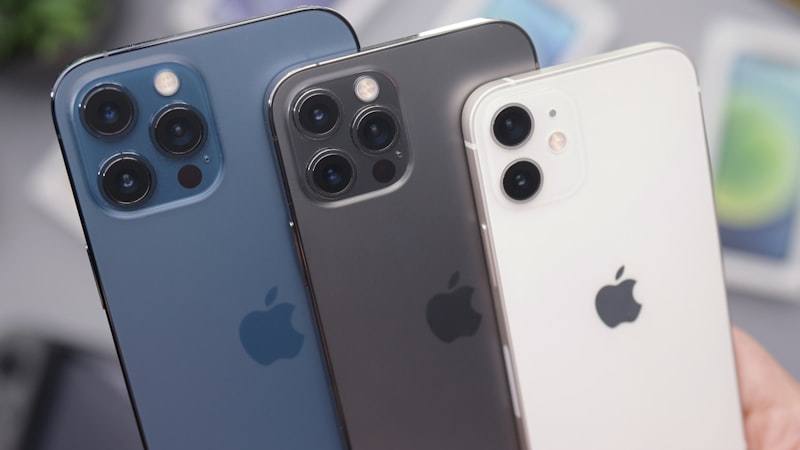
The Evolution of iPhone Durability
Early iPhones were notoriously fragile, prone to scratches and shattering with even minor drops. Over the years, Apple has made considerable strides in improving the structural integrity of its devices. The introduction of stronger aluminum alloys and, more recently, Ceramic Shield technology has significantly increased the scratch and drop resistance of iPhones. Ceramic Shield, co-developed with Corning, involves high-temperature crystallization that forms nano-ceramic crystals within the glass matrix, resulting in a tougher and more durable front cover.
Quantifying the Benefits: Beyond Drop Tests
While drop tests provide anecdotal evidence of improved durability, understanding the real-world benefits requires a more nuanced approach. Enhanced durability translates to several tangible advantages:
- Reduced Repair Costs: A more durable screen means a lower likelihood of cracks and subsequent repairs. Screen replacements are among the most common and expensive iPhone repairs, and a more resilient display can save you significant money over the lifespan of the device.
- Improved Resale Value: An iPhone in good condition commands a higher resale or trade-in value. Scratches, dents, and cracks can significantly diminish the value of your device.
- Extended Lifespan: A more durable phone is simply less likely to suffer catastrophic damage that renders it unusable. This can extend the usable lifespan of your iPhone, potentially delaying the need for an upgrade.
- Peace of Mind: Knowing that your iPhone is more resistant to accidental damage provides a greater sense of security and reduces the anxiety associated with everyday use.
The Cost-Benefit Analysis
While enhanced durability offers clear benefits, it's crucial to weigh these advantages against the cost of upgrading. Consider the following factors:
- Your Usage Habits: Are you prone to dropping your phone? Do you work in environments where your device is exposed to harsh conditions? If so, the added durability may be particularly valuable.
- The Cost of Repair vs. Upgrade: Compare the cost of repairing your current iPhone (particularly screen replacements) with the cost of upgrading to a newer model with improved durability.
- Insurance Options: Consider whether purchasing AppleCare+ or other phone insurance provides adequate coverage for potential damage at a lower cost than upgrading for durability alone.
- Trade-in Value: Check the trade-in value of your current iPhone. If it's significantly reduced due to cosmetic damage, upgrading to a more durable model may be a worthwhile investment.
Making an Informed Decision
Ultimately, the decision to upgrade for enhanced durability is a personal one that depends on your individual circumstances and priorities. While features like Ceramic Shield offer tangible benefits in terms of reduced repair costs and increased lifespan, it's essential to carefully weigh these advantages against the cost of upgrading. Consider your usage habits, the cost of potential repairs, and the trade-in value of your current device to make an informed decision that aligns with your needs and budget. Don't let the allure of newer models overshadow the practical benefits of a phone that can withstand the rigors of daily life.
For example, as we explored in our analysis of display technology at iPhone View, the type of glass used greatly affects not only durability, but also display clarity and color accuracy. Consider these factors as well.
Questions readers ask
Will upgrade durability assessment replace the current model or sit alongside it?
The likeliest path is co-existence — a new variant alongside the existing lineup, not a replacement. Apple's segmentation playbook keeps the older model around at a lower price for at least one cycle to absorb the gap.
How does upgrade durability assessment stack up against what Samsung or Google already ship?
Android OEMs reached this corner of the market first, but they did so with looser tolerances on durability and software polish. Apple's bet is that arriving second with a tighter integration story wins more buyers than arriving first.
Have patents or job listings hinted at upgrade durability assessment?
Yes — recent USPTO filings reference adjacent mechanisms, and Apple has been quietly posting roles in the relevant hardware and software teams. None of that guarantees a ship date, but it confirms the project is actively staffed.
Who is the realistic day-one buyer for upgrade durability assessment?
Enthusiasts and developers buy the first run. Mainstream adoption tracks the second-generation revision, once the rough edges are sanded down and the price comes in roughly $100 lower at the same tier.
In short — what's the takeaway on the cost-benefit analysis?
It comes back to whether Apple can ship upgrade durability assessment without compromising the parts of the iPhone people already pay for. The detail in this section is where that case is made or broken.