iPhone Upgrade Crossroads: Navigating the 2026 Landscape
The 2026 iPhone Upgrade Dilemma
The iPhone market in 2026 presents a complex decision-making process for consumers contemplating an upgrade. Gone are the days of automatic annual upgrades driven by revolutionary leaps in technology. Instead, users face a landscape of incremental improvements, evolving economic realities, and a greater emphasis on device longevity. This article will explore the key considerations for iPhone owners in 2026 as they navigate the upgrade crossroads.
Editor's pick: Refurbished iPhones on Amazon → As an Amazon Associate, this site earns from qualifying purchases.
Performance and Features: A Diminishing Return?
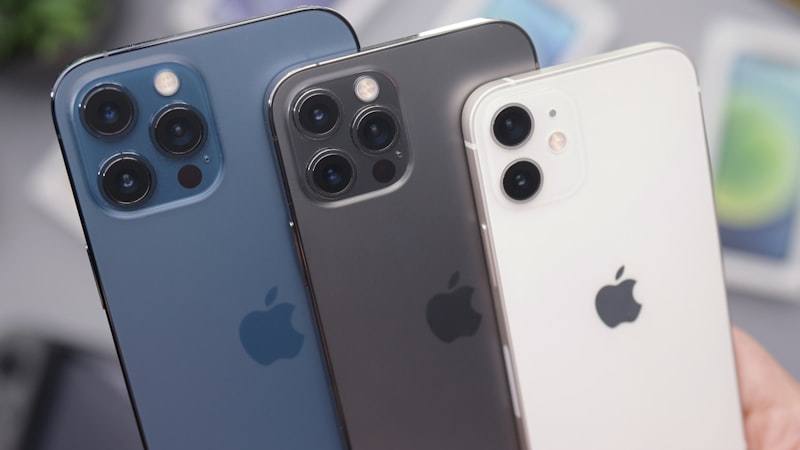
One of the primary drivers of upgrades has traditionally been the promise of enhanced performance and new features. While each new iPhone generation continues to offer improvements in processing power, camera capabilities, and software features, the perceived difference between generations is shrinking. The A-series chips in recent iPhones have been so powerful that even older models can handle most tasks with ease. This raises the question: is the performance gain significant enough to justify the cost of a new device?
The answer largely depends on individual usage patterns. Users who heavily rely on demanding applications such as mobile gaming, video editing, or augmented reality may benefit from the latest hardware. However, for the average user who primarily uses their iPhone for communication, social media, and web browsing, the improvements offered by newer models may be less noticeable. Apple continues to refine its software ecosystem, offering features like improved AI-powered photo processing and enhanced security protocols that may entice some users to upgrade. But the pressure to constantly chase the latest specs is lessening.
The Economic Factor: Balancing Cost and Value
The cost of iPhones has steadily increased over the years, making upgrade decisions increasingly sensitive to economic factors. In 2026, consumers are more aware than ever of the total cost of ownership, including the initial purchase price, monthly data plans, and potential repair costs. Rising inflation and economic uncertainty further complicate the decision-making process.
This economic reality has led to a growing interest in financing options, trade-in programs, and the secondary market for refurbished iPhones. Apple's trade-in program offers a convenient way to offset the cost of a new device, but the value offered may not always be the most competitive. Exploring third-party trade-in options and the resale market can often yield better returns, especially for older models. As we've discussed extensively on iPhone Evolve, understanding the depreciation curve of your iPhone is crucial for maximizing its resale value.
The Rise of the Refurbished Market
The refurbished iPhone market has matured significantly in recent years, offering a viable alternative for budget-conscious consumers. Refurbished iPhones undergo rigorous testing and certification processes, ensuring that they meet certain quality standards. Purchasing a refurbished iPhone can save a significant amount of money while still providing a reliable and feature-rich experience.
Form Factor and Design: A Matter of Preference
While performance and price are important considerations, the design and form factor of the iPhone also play a significant role in upgrade decisions. Apple has experimented with various design changes over the years, including different materials, screen sizes, and camera arrangements. As explored in our analysis of display technology at iPhone View, advancements in screen technology and the introduction of ProMotion displays have been significant drivers for some upgrades. The rumours surrounding potential foldable iPhone designs, which our sister site iPhone Open (iphoneopen.com) covers extensively, also add an element of future-proofing to the upgrade equation. Users who prioritize aesthetics or prefer a specific form factor may be more inclined to upgrade, even if the performance gains are minimal.
The Longevity Factor: Holding On Longer
With the increasing durability and performance of iPhones, many users are opting to hold onto their devices for longer periods. The extended software support provided by Apple, typically five to six years, ensures that even older models continue to receive security updates and feature enhancements. This longer lifespan allows users to maximize the value of their investment and reduce their environmental impact.
Conclusion: A Personalized Decision
Ultimately, the decision to upgrade an iPhone in 2026 is a highly personalized one. There is no one-size-fits-all answer. Users must carefully weigh the potential benefits of upgrading against the cost, their individual needs, and the availability of alternative options such as refurbished devices or extended usage of their current iPhone. The maturing smartphone market demands a more informed and strategic approach to upgrade decisions.