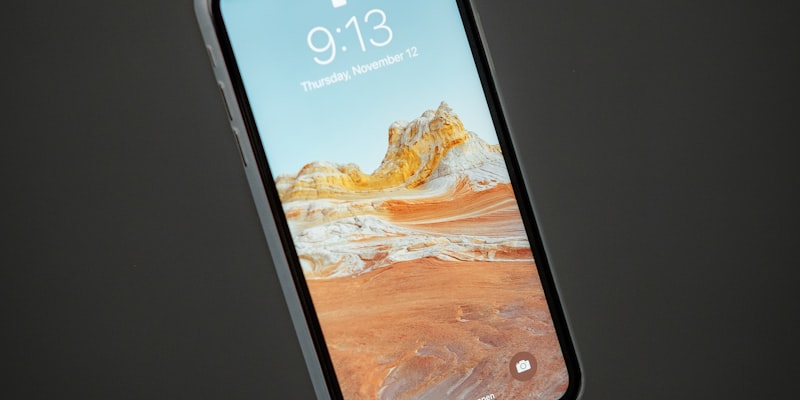
The iPhone 17 lineup is expected in September 2026, and the rumour mill has been particularly active. For iPhone 16 owners who bought their devices less than a year ago, the annual upgrade question looms: is the jump worth it, or is it smarter to hold? Based on what credible analysts and supply chain reports suggest, here is a clear-eyed assessment of what the iPhone 17 is likely to bring and who should consider upgrading.
The Headline Changes
The most significant rumoured change for the iPhone 17 Pro models is a move to a new Apple-designed 5G modem, replacing the Qualcomm chips that have powered iPhone cellular connectivity since the 5G transition. Apple acquired Intel's modem division in 2019 and has been developing its own baseband chips since. A first-generation Apple modem appeared in the iPhone SE 4, but the iPhone 17 Pro would be its debut in the flagship lineup. In practical terms, this should improve power efficiency during cellular use, though real-world performance gains will depend on carrier networks and software optimization.
The A19 Pro chip is expected to bring the usual generational improvements in CPU and GPU performance, likely in the range of 15 to 20 percent over the A18 Pro. More relevant for daily use, the Neural Engine is expected to see a larger jump, reportedly 30 to 40 percent faster, which would benefit on-device AI features that Apple has been expanding aggressively under the Apple Intelligence branding. If you use AI-driven features like Advanced Siri, Image Playground, or Writing Tools frequently, the faster Neural Engine could translate to noticeably quicker responses.
Camera and Display
Camera improvements are expected to be evolutionary rather than revolutionary. The main sensor is likely to remain at 48 megapixels, but the ultrawide camera on Pro models is rumoured to gain a larger sensor with better low-light performance. The telephoto lens may see a bump from 5x to 6x optical zoom on the Pro Max. These are meaningful improvements for photography enthusiasts, but for the average user who shoots in automatic mode, the differences between iPhone 16 Pro and iPhone 17 Pro photos will be subtle.
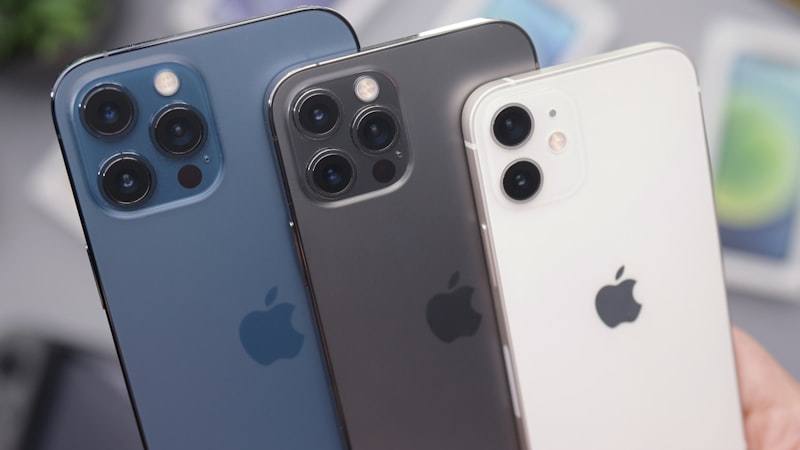
Knowing when to upgrade saves money and maximises value
Display technology is where things get more interesting. Reports suggest the iPhone 17 Pro could feature a thinner, brighter panel with improved outdoor visibility, potentially pushing peak HDR brightness past 2500 nits. There are also persistent rumours of a slightly thinner overall device profile, which would be enabled by new battery technology and a redesigned internal layout. A thinner, lighter phone with a brighter screen is the kind of improvement that is immediately felt in hand, even if it does not show up dramatically on a spec sheet.
The iPhone 17 Air Factor
The most intriguing addition to the lineup may not be the Pro models at all. Multiple sources report that Apple is planning an "iPhone 17 Air" or "iPhone 17 Slim" that would be significantly thinner than any current model, potentially around 6mm compared to the current Pro's 8.25mm. This would slot between the base iPhone 17 and the Pro in pricing and would prioritise design and portability over raw camera capability. If thinness and lightness are what you value most, the Air could be more appealing than the Pro for a lower price.
The Financial Calculus
If you bought an iPhone 16 at launch, it will be roughly one year old when the 17 arrives. Resale values for one-year-old iPhones typically sit between 55 and 65 percent of the original purchase price, depending on condition and storage tier. That means an iPhone 16 Pro purchased for 999 pounds would likely sell for 550 to 650 pounds, putting the effective upgrade cost at 350 to 450 pounds before any trade-in promotions Apple or carriers might offer.
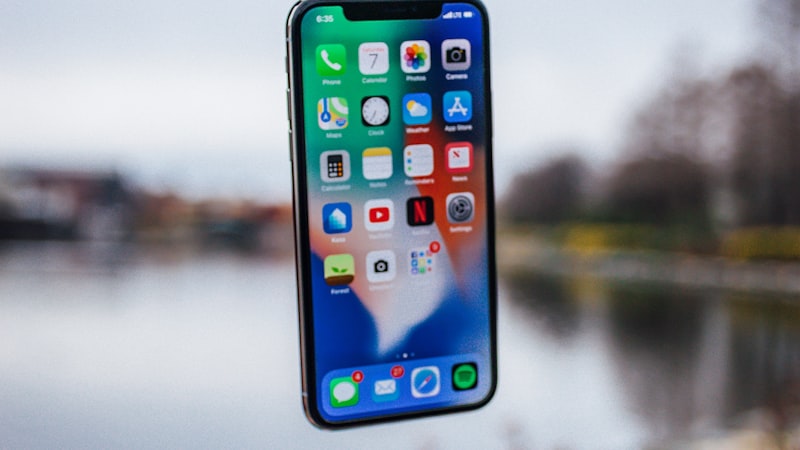
Year-over-year improvements have become more incremental — but more refined
For that cost, you are getting a faster chip, a better modem, incremental camera improvements, and a brighter display. Whether that is worthwhile depends entirely on your tolerance for annual spending on technology. If you are on the iPhone Upgrade Programme or a carrier plan that includes annual upgrades, the friction is low enough that most people will do it. If you are paying outright, the iPhone 16 Pro is not going to feel slow or deficient for at least another year.
Our Recommendation
Knowing when to upgrade saves money and maximises value
Skip the upgrade if you have an iPhone 16 Pro or Pro Max and are satisfied with your camera and battery life. The improvements are real but incremental. Upgrade if you are on an iPhone 15 or older, especially if you want the Apple Intelligence features that require the latest Neural Engine hardware. And seriously consider waiting for the foldable iPhone if the rumoured late 2026 launch holds, because that will be the first genuinely new form factor in years and could make the entire iPhone 17 lineup feel like a holding pattern in retrospect.