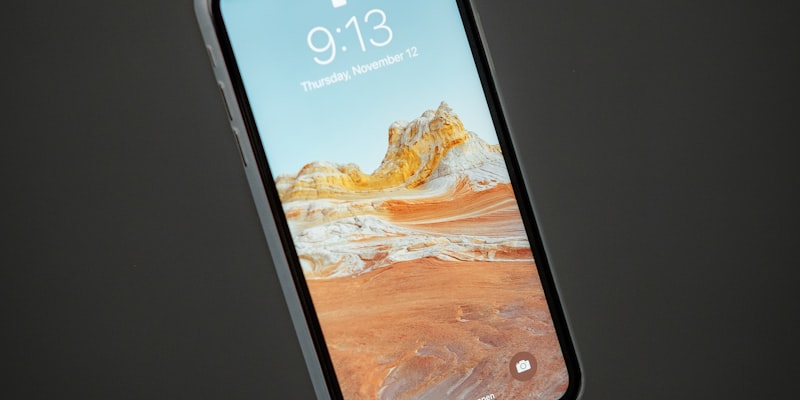
If you are planning to upgrade your iPhone this year, the single most important financial decision you will make is not which model to buy. It is when you sell or trade in your current device. iPhone resale values follow remarkably predictable seasonal patterns, and the difference between trading in at the right time versus the wrong time can easily be 100 to 200 dollars. Understanding these patterns turns your upgrade from an impulse purchase into a calculated financial move.
The Depreciation Curve
iPhones hold their value better than any other smartphone on the market, but they still depreciate, and the rate of depreciation is not constant. A new iPhone loses roughly 15 to 20 percent of its value in the first three months after purchase, as the initial demand surge fades and supply catches up. It then enters a relatively stable period where it loses about 2 to 3 percent per month for the next six to eight months. The steepest single drop occurs in September, when Apple announces the new iPhone lineup. In the two weeks surrounding a new iPhone announcement, the previous generation typically loses 20 to 30 percent of its remaining value almost overnight.
This pattern has repeated with remarkable consistency for the past five years. The iPhone 14 Pro Max, for example, was trading at approximately 65 percent of its original retail price in August 2024. By October 2024, one month after the iPhone 16 announcement, it had dropped to roughly 48 percent. That is a 17 percentage point decline in about six weeks -- the single largest depreciation event in the device's lifecycle.
The 2026 Calendar
Applying these patterns to 2026, the optimal trade-in windows look like this. If you currently own an iPhone 16 or 16 Pro and plan to upgrade to the iPhone 18 lineup this September, the best time to trade in your device is late July to mid-August. This is the sweet spot where your phone still commands its pre-announcement value, but you are close enough to the new launch that you will only need to go without your preferred device for a few weeks. Services like Apple's trade-in program and third-party buyback sites like Decluttr and SellCell typically lock in your quoted price for 14 to 21 days, giving you a buffer between sending in your old device and receiving your new one.
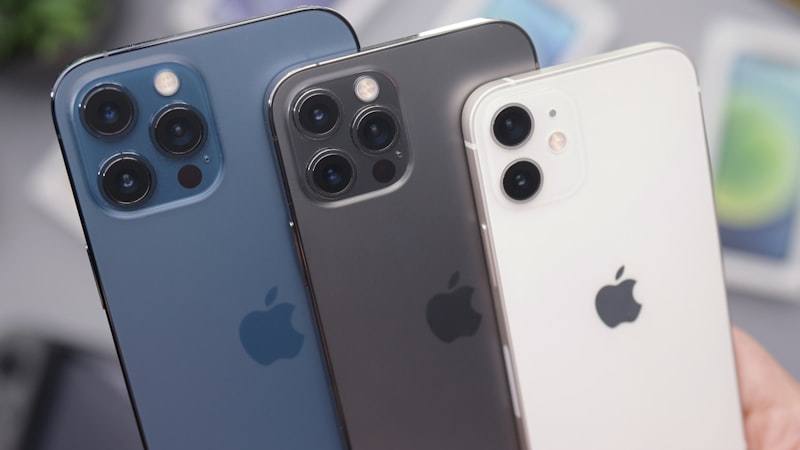
Knowing when to upgrade saves money and maximises value
If you own an iPhone 15 or older and are planning the same September upgrade, the calculus is slightly different. Older devices are less affected by the annual announcement drop because they have already absorbed multiple depreciation events. An iPhone 15 Pro will lose perhaps 10 to 15 percent of its value around the iPhone 18 announcement, compared to the 20 to 30 percent hit that the iPhone 17 lineup will take. For older devices, the urgency of timing is lower, though trading in sooner is still better than later since the baseline depreciation continues regardless.
Apple Trade-In vs Third Party
Apple's own trade-in program is the most convenient option but rarely the most lucrative. Apple's trade-in values are typically 15 to 25 percent below what you can get by selling the device yourself on platforms like Swappa, eBay, or Facebook Marketplace. The gap is even larger for devices in excellent condition with their original packaging and accessories, which command a premium on peer-to-peer marketplaces that Apple's program does not account for.
Third-party buyback services like Decluttr, SellCell, and ItsWorthMore sit between Apple's trade-in values and private sale prices. They offer the convenience of a guaranteed sale without the hassle of listing, photographing, and shipping the device yourself, and they typically pay 10 to 15 percent more than Apple. For most people, these services represent the best balance of effort and return.
The one scenario where Apple's trade-in program is competitive is when Apple is running promotional trade-in credits. These typically appear during new iPhone launch events and can temporarily boost Apple's trade-in values to match or exceed third-party offers. Apple offered enhanced trade-in credits during the iPhone 17 launch in September 2025, and similar promotions are expected for the iPhone 18 launch. If you time your upgrade to coincide with one of these promotions and you were going to buy from Apple anyway, the effective value of the trade-in credit can be quite good.
The Wild Card: iPhone 17 Air and the Foldable
Two factors make 2026 unusual. First, the iPhone 17 Air launched in March at a price point that has drawn buyers who might otherwise have waited for the September refresh. This creates slightly more supply of traded-in devices in the spring market, which depresses resale values modestly. If you are selling your phone now, in March 2026, you are competing with a larger-than-usual pool of used devices.
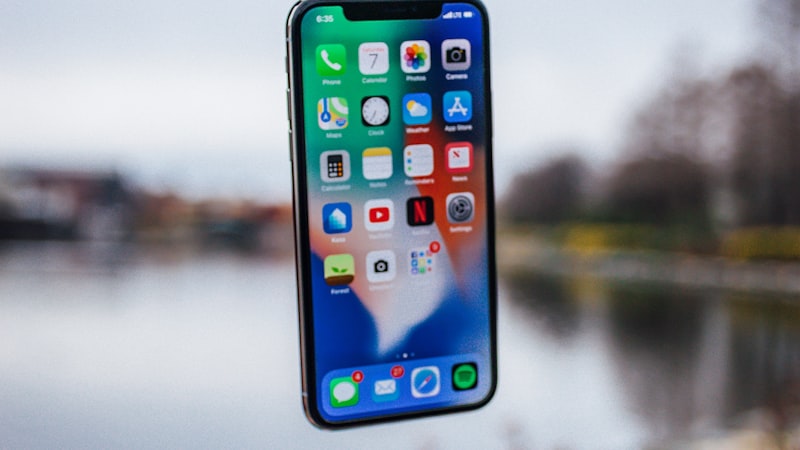
Year-over-year improvements have become more incremental — but more refined
Second, persistent rumors of a foldable iPhone launching in late 2026 or early 2027 are causing some buyers to hold off on upgrading entirely, waiting to see if the foldable materializes. This wait-and-see behavior reduces demand in the used phone market, which puts additional downward pressure on resale values. The net effect is that 2026 trade-in values may be 5 to 10 percent lower than historical averages across the board.
The Bottom Line
Knowing when to upgrade saves money and maximises value
Trade in your iPhone before September, ideally in the July-August window. Use a third-party buyback service unless Apple is running a promotional credit that beats the market. Keep your device in the best possible condition between now and then -- a cracked screen or degraded battery can reduce your trade-in value by 40 to 60 percent. And if you are on the fence about whether to upgrade to the iPhone 18 or wait for the foldable, remember that waiting has its own cost: your current device depreciates every month you hold it. The upgrade you skip is not free. It is paid for in lost resale value on the device you keep.