iPhone Photography: Beyond the Megapixel Myth in 2026
iPhone Photography: Beyond the Megapixel Myth in 2026
For years, the megapixel count was the primary battleground in the smartphone camera wars. More megapixels supposedly equated to better photos. However, by 2026, it's clear that the megapixel race has largely plateaued, and the focus has shifted to other crucial aspects of mobile photography. While a decent megapixel count remains important, it's far from the only factor determining image quality on your iPhone.
Editor's pick: Refurbished iPhones on Amazon → As an Amazon Associate, this site earns from qualifying purchases.
Computational Photography: The Secret Sauce
Apple has invested heavily in computational photography, a suite of software algorithms that enhance images after they are captured. Features like Smart HDR, Deep Fusion, and Night mode rely on complex processing to optimize dynamic range, detail, and low-light performance. These algorithms analyze multiple frames, select the best parts of each, and combine them to create a single, superior image. Even a relatively modest megapixel sensor can produce stunning results when paired with advanced computational photography techniques.
Sensor Size: Capturing More Light
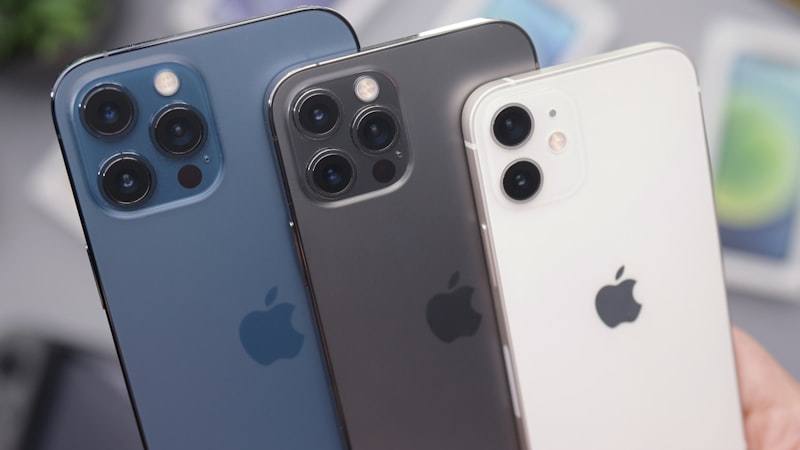
The size of the image sensor plays a crucial role in determining how much light a camera can capture. A larger sensor gathers more light, resulting in less noise, improved dynamic range, and better low-light performance. This is why the iPhone Pro models, with their larger sensors, often excel in challenging lighting conditions compared to the standard iPhone models. While the megapixel count might be similar, the larger sensor allows for cleaner and more detailed images.
Lens Quality: The Gateway to Sharpness
The quality of the lens is another often-overlooked aspect of iPhone photography. A high-quality lens can resolve finer details and minimize distortions, contributing to sharper and more accurate images. Apple has consistently focused on improving lens quality, using advanced materials and manufacturing techniques to achieve optimal performance. The lens's aperture, which controls the amount of light entering the camera, also affects image quality, particularly in low-light situations.
The Interplay of Hardware and Software
The best iPhone photography results from a harmonious interplay between hardware and software. A capable sensor and lens provide the raw data, while computational photography algorithms process and enhance that data to create a final image. Apple's tight integration of hardware and software allows for seamless optimization and superior performance. For instance, the A-series chips power the image signal processor (ISP) that handles the computational photography tasks, ensuring speed and efficiency. As we explored in our analysis of display technology at iPhone View (https://iphoneview.com), even the quality of the iPhone's screen affects perceived image quality.
Upgrading for Photography: What to Consider
If photography is a priority when upgrading your iPhone, consider the following factors:
- Sensor Size: Opt for models with larger sensors for better low-light performance and dynamic range.
- Lens Specifications: Pay attention to the aperture of the lens, as a wider aperture (lower f-number) allows more light to enter the camera.
- Computational Photography Features: Research the specific computational photography capabilities of each iPhone model, such as Smart HDR versions, Night mode improvements, and cinematic mode.
- Telephoto Lens: If you frequently shoot zoomed-in photos, consider a model with a dedicated telephoto lens.
Conclusion
In 2026, focusing solely on megapixels when evaluating iPhone camera performance is a mistake. Computational photography, sensor size, lens quality, and the overall integration of hardware and software are equally, if not more, important. By understanding these factors, you can make a more informed decision when upgrading your iPhone for photography and ensure you're getting the best possible image quality for your needs.
Questions readers ask
How does photography megapixel myth 2026 change the upgrade calculus for existing owners?
Existing owners weigh photography megapixel myth 2026 against the upgrade they were already planning. If the feature is meaningful for daily use, it pulls forward upgrades by about a year; if it is novelty, it shifts nothing.
Does photography megapixel myth 2026 require new developer APIs, or can existing apps adapt?
Apple historically ships a quiet developer API the year before the hardware lands, so existing apps that follow human-interface guidelines should adapt with modest work. Apps that hard-code layouts will need updates.
What would convince a sceptical reviewer that photography megapixel myth 2026 is worth it?
Hands-on time is the only honest test. A reviewer's first hour with the device tells them whether photography megapixel myth 2026 is solving a real problem they had, or a feature looking for a use case. The reviews following launch will be the verdict.
Will photography megapixel myth 2026 replace the current model or sit alongside it?
The likeliest path is co-existence — a new variant alongside the existing lineup, not a replacement. Apple's segmentation playbook keeps the older model around at a lower price for at least one cycle to absorb the gap.
In short — what's the takeaway on lens quality: the gateway to sharpness?
It comes back to whether Apple can ship photography megapixel myth 2026 without compromising the parts of the iPhone people already pay for. The detail in this section is where that case is made or broken.