iPhone Photography in 2026: Are Camera Upgrades Still Driving Sales?
iPhone Photography in 2026: Are Camera Upgrades Still Driving Sales?
For years, Apple has leaned heavily on camera improvements as a primary selling point for new iPhone models. From the initial introduction of Portrait Mode to the continuous advancements in sensor size, lens technology, and computational photography, each generation has promised a better mobile photography experience. But in 2026, are these incremental improvements still enough to entice users to upgrade?
Editor's pick: Refurbished iPhones on Amazon → As an Amazon Associate, this site earns from qualifying purchases.
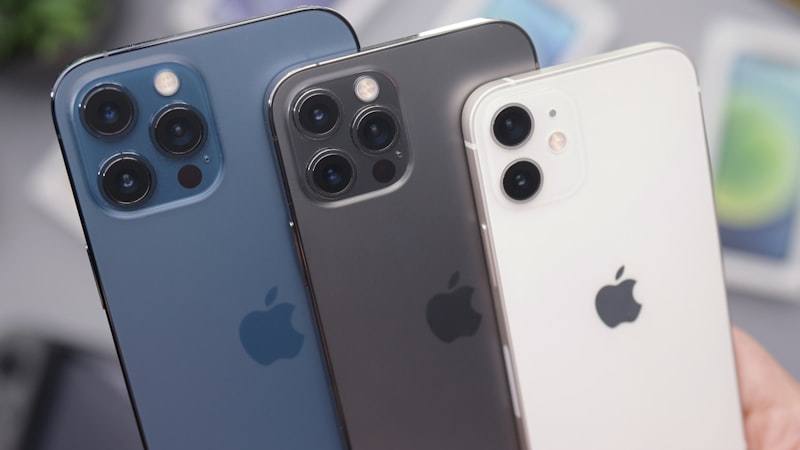
The iPhone camera system has undeniably reached a point of remarkable capability. The computational photography algorithms, powered by the Neural Engine, deliver stunning results in a variety of lighting conditions. Features like Cinematic Mode for video and advanced ProRAW capture offer creative control previously only found in dedicated cameras. Yet, a growing number of users are questioning whether the advancements from one generation to the next are significant enough to justify the cost of a new device.
Diminishing Returns and Software Optimization
One key factor is the principle of diminishing returns. While the leap from a single-lens camera system to dual-lens, and then to triple-lens setups, provided dramatic improvements in image quality and versatility, the subsequent refinements are becoming less noticeable to the average user. The difference between the iPhone 15 Pro's camera and the iPhone 16 Pro's, for example, may be subtle, requiring careful side-by-side comparisons to appreciate the enhancements in dynamic range or low-light performance.
Furthermore, Apple's software optimization plays a crucial role. Through software updates, older iPhone models often receive significant improvements in camera performance, effectively bridging the gap with newer hardware. Features initially exclusive to the latest iPhones, such as enhanced Night Mode algorithms, are often backported to previous generations, extending the lifespan and usability of older devices.
The Rise of Computational Photography
The emphasis on computational photography also shifts the focus away from pure hardware specifications. While sensor size and lens quality remain important, the ability to process and enhance images through software algorithms is becoming increasingly dominant. This allows Apple to extract more performance from existing hardware, further reducing the perceived need for frequent upgrades solely for camera improvements.
Alternative Upgrade Motivations
With camera upgrades potentially losing their appeal as a primary driver, other factors are influencing upgrade decisions. Battery life, processor speed, and overall device performance remain crucial considerations. Moreover, the evolving design of the iPhone, as discussed on iPhone Arc, plays a role in attracting users. The introduction of new materials, form factors, or display technologies can be more compelling than incremental camera improvements for some consumers. Consider also the potential shift to open-form-factor iPhones, a topic explored in depth by our sister site, iPhone Open. Such radical changes to the core device would undoubtedly drive upgrades, irrespective of camera improvements.
The Trade-In Market and Extended Lifecycles
The robust trade-in market also contributes to longer iPhone lifecycles. Users can offset the cost of a new device by trading in their older model, making it more financially viable to hold onto their current iPhone for longer periods. This trend is further supported by Apple's extended software support, which provides updates and security patches for older devices for several years.
Conclusion
While the iPhone camera system remains a significant selling point, its influence on upgrade decisions is likely diminishing in 2026. Diminishing returns, software optimization, and the rise of computational photography are contributing to this trend. As consumers become more discerning and prioritize factors beyond camera improvements, Apple will need to focus on delivering compelling advancements in other areas, such as performance, design, and user experience, to maintain its upgrade cycle.
Questions readers ask
How does photography 2026 camera upgrade stack up against what Samsung or Google already ship?
Android OEMs reached this corner of the market first, but they did so with looser tolerances on durability and software polish. Apple's bet is that arriving second with a tighter integration story wins more buyers than arriving first.
Have patents or job listings hinted at photography 2026 camera upgrade?
Yes — recent USPTO filings reference adjacent mechanisms, and Apple has been quietly posting roles in the relevant hardware and software teams. None of that guarantees a ship date, but it confirms the project is actively staffed.
Who is the realistic day-one buyer for photography 2026 camera upgrade?
Enthusiasts and developers buy the first run. Mainstream adoption tracks the second-generation revision, once the rough edges are sanded down and the price comes in roughly $100 lower at the same tier.
Does iOS need rearchitecting to make photography 2026 camera upgrade work properly?
Apple would need a window manager or surface-handling layer in iOS to do this well. The plumbing already exists on iPadOS in a limited form, so the engineering question is less invention and more refinement.
In short — what's the takeaway on the trade-in market and extended lifecycles?
It comes back to whether Apple can ship photography 2026 camera upgrade without compromising the parts of the iPhone people already pay for. The detail in this section is where that case is made or broken.