iPhone Memory Configurations in 2026: Is 8GB the New 4GB?
iPhone RAM in 2026: Balancing Performance and Cost
As we move deeper into 2026, the question of RAM capacity in iPhones remains a crucial consideration for potential upgraders. While Apple has historically been conservative with RAM compared to Android counterparts, the increasing demands of iOS, complex applications, and advanced camera features necessitate a continuous evaluation of memory configurations. The iPhone 18 series, expected later this year, will undoubtedly reignite this debate.
Editor's pick: Refurbished iPhones on Amazon → As an Amazon Associate, this site earns from qualifying purchases.
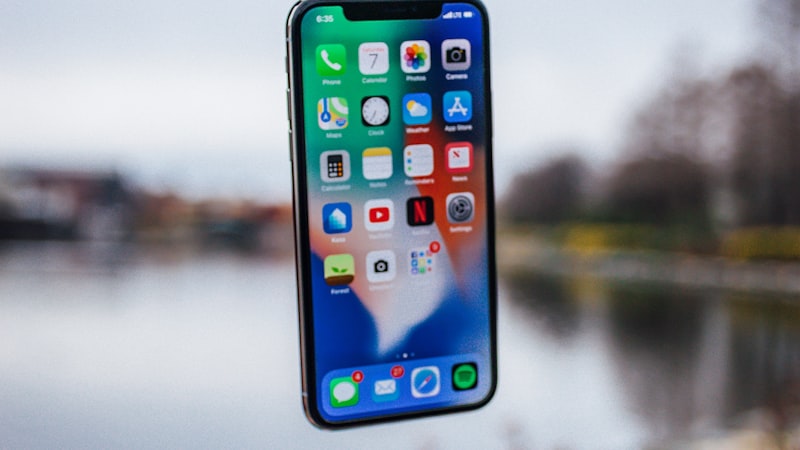
Currently, the base model iPhone 17 features 8GB of RAM, while the Pro and Pro Max variants boast 12GB. This tiered approach reflects Apple's strategy of differentiating its product line based on performance capabilities. But is 8GB truly sufficient for the average user in 2026, or is it becoming a bottleneck that encourages upgrades to the more expensive Pro models?
The App Ecosystem Demands More
The demands placed on an iPhone's RAM are constantly evolving. Modern apps, particularly those involving augmented reality (AR), machine learning (ML), and high-resolution video editing, require substantial memory resources. Even seemingly simple tasks like web browsing can consume significant RAM, especially with multiple tabs open. The rise of more sophisticated mobile gaming, pushing the limits of Apple's silicon, further exacerbates the need for ample RAM.
Apple’s own ecosystem features are also becoming more demanding. Features like Live Text, advanced photo processing, and on-device Siri require a significant amount of memory bandwidth. As Apple continues to integrate more AI-powered features into iOS, the pressure on RAM will only intensify.
Analyzing the Impact of RAM on Performance
Insufficient RAM can manifest in several ways, including app reloading, slower multitasking, and decreased system responsiveness. Users with lower RAM configurations might experience these issues more frequently, particularly when running multiple resource-intensive apps simultaneously. This can lead to a perceived slowdown in performance, even if the processor itself is capable.
However, Apple's tight integration of hardware and software allows it to optimize memory management effectively. The company's custom silicon, combined with efficient coding practices, helps mitigate the impact of lower RAM configurations. Despite this, the limitations of 8GB become increasingly apparent as users push their devices to the limit.
The Pro Advantage: Is 12GB Worth the Premium?
The iPhone 17 Pro and Pro Max, with their 12GB of RAM, offer a noticeable performance advantage, especially for power users. This extra memory allows for smoother multitasking, faster app switching, and more seamless handling of demanding tasks like video editing and 3D gaming. The Pro models are also better equipped to handle future iOS updates and app evolutions that will inevitably require more RAM.
The decision to upgrade to a Pro model for the extra RAM ultimately depends on individual usage patterns. Users who frequently engage in resource-intensive activities will likely benefit from the increased memory capacity. However, for users with more moderate needs, the 8GB in the base model iPhone 17 may still be sufficient, especially if they are diligent about closing unused apps and managing background processes.
Looking Ahead: What to Expect from the iPhone 18
The iPhone 18 series will likely see further refinements in RAM configurations. While it's unlikely that Apple will drastically increase RAM across the board, we might see a slight bump in the base model, potentially to 10GB, while the Pro models could see 14GB or even 16GB. This decision will depend on several factors, including the cost of RAM, the performance demands of the latest iOS features, and Apple's overall product strategy.
The future of iPhone RAM is inextricably linked to advancements in display technology. As we explored in our analysis of display technology at iPhone View, higher resolution displays and ProMotion require more memory bandwidth to render graphics smoothly. The interplay between display capabilities and RAM capacity will continue to shape Apple's hardware decisions.
Conclusion: Navigating the RAM Landscape
Choosing the right iPhone in 2026 requires careful consideration of your individual needs and usage patterns. While the base model iPhone 17 with 8GB of RAM may be adequate for many users, power users and those who demand the best possible performance should consider the Pro models with their larger memory configurations. As the app ecosystem continues to evolve and iOS becomes more feature-rich, the importance of RAM will only continue to grow, making it a critical factor in the upgrade decision-making process.