iPhone Battery Health in 2026: Maximizing Longevity and Trade-In Value
iPhone Battery Health in 2026: A Critical Factor for Longevity and Resale
In 2026, the iPhone remains a premium device, and its longevity is a key consideration for users. A significant factor impacting that longevity is battery health. As iPhones age, their batteries degrade, leading to reduced capacity and performance. Understanding battery health, how to manage it, and its impact on trade-in value is crucial for iPhone owners.
Editor's pick: Refurbished iPhones on Amazon → As an Amazon Associate, this site earns from qualifying purchases.
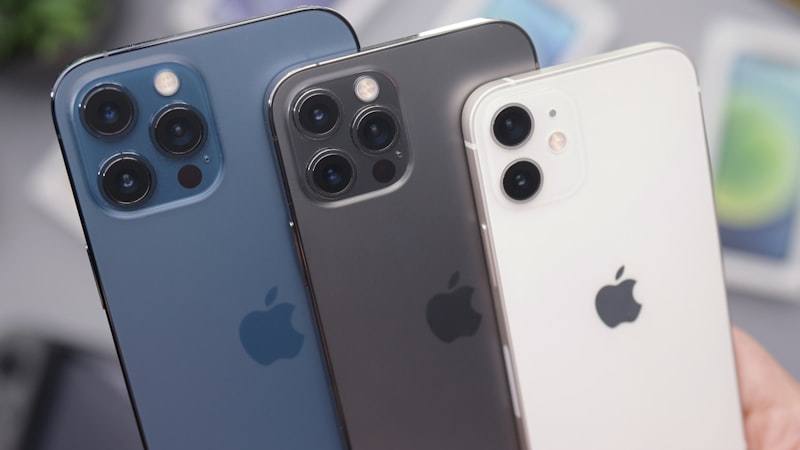
Understanding Battery Degradation
Lithium-ion batteries, used in all iPhones, degrade naturally over time. Factors such as charging habits, operating temperatures, and software updates can influence the rate of degradation. Apple’s Battery Health feature, accessible within Settings, provides a percentage representing the battery's capacity relative to when it was new. A lower percentage indicates greater degradation.
While Apple guarantees that an iPhone battery is designed to retain up to 80% of its original capacity at 500 complete charge cycles, real-world performance can vary. Users who frequently fast charge their iPhones or expose them to extreme temperatures may experience faster degradation.
Optimizing Battery Life and Minimizing Degradation
Several strategies can help extend battery life and minimize degradation:
- Avoid Extreme Temperatures: Do not leave your iPhone in direct sunlight or in a hot car. Extreme heat is particularly detrimental to battery health.
- Optimize Charging Habits: While modern iPhones have optimized charging features, avoid leaving your iPhone plugged in at 100% for extended periods. Consider using Optimized Battery Charging, which learns your charging routine and waits to finish charging past 80% until just before you need to use your iPhone.
- Manage Background App Refresh: Limit background app refresh for apps that don’t require it. This prevents apps from consuming battery power when they are not actively in use.
- Use Low Power Mode: When battery levels are low, enable Low Power Mode to reduce background activity and extend battery life.
- Keep Software Updated: Apple often releases software updates that include battery optimizations.
Battery Replacement Considerations
When battery health drops significantly (typically below 80%), performance throttling may occur, and users may experience shorter battery life. At this point, replacing the battery may be a worthwhile investment. Apple offers battery replacement services for a fee. Third-party battery replacements are also available, but it's crucial to choose a reputable service provider to ensure quality and safety.
Impact on Trade-In Value
Battery health is a significant factor in determining the trade-in value of an iPhone. iPhones with low battery health are typically valued lower than those with healthy batteries. Trade-in programs often assess battery health as part of their evaluation process.
While a battery replacement can improve trade-in value, it's important to weigh the cost of the replacement against the potential increase in trade-in value. In some cases, it may be more cost-effective to trade in the iPhone with the degraded battery, especially if other components are also showing signs of wear.
The Future of iPhone Batteries
Looking ahead, battery technology continues to evolve. While current iPhones utilize lithium-ion batteries, research and development are focused on alternative battery technologies, such as solid-state batteries, which promise higher energy density, faster charging, and improved safety. The implementation of such technologies in future iPhones could significantly improve battery life and reduce degradation concerns. As we explored in our analysis of display technology at iPhone View, the constant demand for brighter and more efficient screens also drives the need for better battery solutions. https://iphoneview.com
Conclusion
In 2026, maintaining good iPhone battery health remains crucial for maximizing the device's lifespan and resale value. By understanding the factors that contribute to battery degradation and implementing strategies to mitigate them, users can extend the life of their iPhones and ensure they receive the best possible trade-in value when it's time to upgrade. Monitoring battery health regularly and considering battery replacement when necessary are essential components of responsible iPhone ownership.
Questions readers ask
What does battery health 2026 actually cost — in price, weight, or battery?
Expect a premium of roughly $200–300 over the standard model, plus a small weight penalty. Battery life is the bigger variable — early prototypes typically trade an hour or two of screen-on time for the new capability, then claw it back over a generation.
How does battery health 2026 change the upgrade calculus for existing owners?
Existing owners weigh battery health 2026 against the upgrade they were already planning. If the feature is meaningful for daily use, it pulls forward upgrades by about a year; if it is novelty, it shifts nothing.
Does battery health 2026 require new developer APIs, or can existing apps adapt?
Apple historically ships a quiet developer API the year before the hardware lands, so existing apps that follow human-interface guidelines should adapt with modest work. Apps that hard-code layouts will need updates.
What would convince a sceptical reviewer that battery health 2026 is worth it?
Hands-on time is the only honest test. A reviewer's first hour with the device tells them whether battery health 2026 is solving a real problem they had, or a feature looking for a use case. The reviews following launch will be the verdict.
In short — what's the takeaway on conclusion?
It comes back to whether Apple can ship battery health 2026 without compromising the parts of the iPhone people already pay for. The detail in this section is where that case is made or broken.