Maximizing Your iPhone's Battery Lifespan: Optimal Charging Habits for 2026
In 2026, as iPhones continue to evolve with more demanding features and longer software support cycles, the longevity of your device's battery remains a critical concern. While Apple's lithium-ion batteries are designed for thousands of charge cycles, how you charge your iPhone significantly impacts its long-term health and your overall user experience. This guide will delve into optimal charging habits that can help you squeeze more years out of your current iPhone, whether it's a recent flagship or an older model you're trying to preserve.
Editor's pick: Refurbished iPhones on Amazon → As an Amazon Associate, this site earns from qualifying purchases.
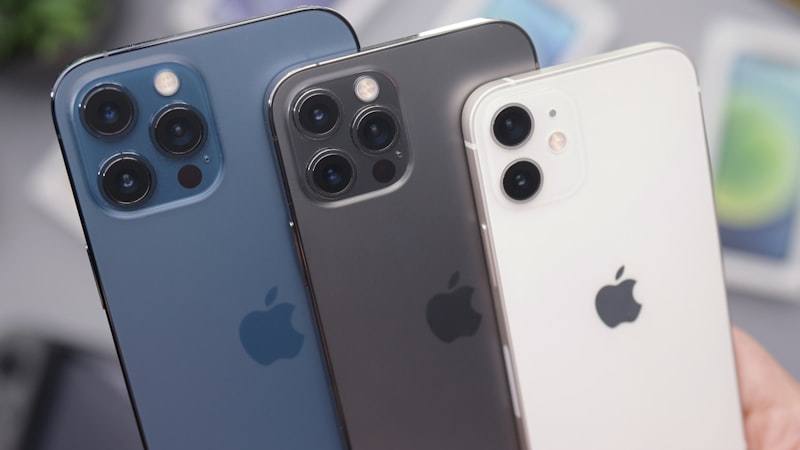
Understanding Your iPhone's Battery
All modern iPhones use lithium-ion batteries, which degrade over time with each charge and discharge cycle. This degradation manifests as a reduction in maximum capacity, leading to shorter battery life between charges. Key factors accelerating this process include:
- High Charge Levels: Consistently charging to 100% and holding it there, especially for extended periods, stresses the battery.
- Low Charge Levels: Allowing the battery to frequently drain to 0% can also be detrimental.
- Heat: Excessive heat, whether from fast charging, intensive tasks, or environmental factors, is a primary enemy of battery longevity.
The Optimal Charging Range: The 20-80% Rule
For most lithium-ion batteries, the sweet spot for charge levels lies between 20% and 80%. Keeping your iPhone's battery within this range minimizes stress and prolongs its lifespan. While it's not always practical to adhere strictly to this, making an effort can yield significant benefits:
- Avoid Full Drains: Try not to let your battery consistently drop below 20%.
- Limit Full Charges: Whenever possible, unplug your iPhone before it hits 100%. If you must charge to full, try to remove it shortly after it reaches 100% rather than leaving it plugged in overnight.
Leveraging Apple's Optimized Battery Charging
Apple recognized the impact of charging habits and introduced 'Optimized Battery Charging' in iOS. This feature learns your daily charging routine and delays charging past 80% until just before you typically need to use your iPhone. For instance, if you charge overnight, it might hold the charge at 80% for several hours and only top it up to 100% an hour before your alarm. This significantly reduces the time your battery spends at full charge, mitigating degradation. Ensure this feature is enabled:
- Go to Settings > Battery > Battery Health & Charging.
- Toggle on 'Optimized Battery Charging'.
Understanding Charging Speeds and Wattage
Fast charging is convenient, but it generates more heat, which can be detrimental to battery health over time. Most modern iPhones support fast charging, allowing them to reach 50% charge in approximately 30 minutes with a compatible 20W (or higher) USB-C Power Delivery (PD) charger.
- For Speed: Use a 20W or 30W USB-C PD charger for quick top-ups when time is critical.
- For Longevity: Consider using lower-wattage chargers (e.g., 5W or 12W) for overnight charging or when you're not in a hurry. These generate less heat and can be gentler on the battery.
- MagSafe and Qi Wireless Charging: These offer convenience but can sometimes generate more heat than wired charging, especially if the phone is misaligned or used during charging. For optimal battery health, ensure proper alignment with MagSafe and avoid graphically intensive tasks while charging wirelessly.
Common Charging Pitfalls to Avoid
Beyond the basics, several common habits can inadvertently harm your iPhone's battery:
- Using Your iPhone While Fast Charging: Engaging in demanding activities like gaming or video streaming while fast charging generates a significant amount of heat, a major battery stressor.
- Extreme Temperatures: Avoid charging your iPhone in direct sunlight, in a hot car, or in very cold environments. Batteries perform optimally at room temperature.
- Cheap, Uncertified Chargers and Cables: Always use Apple-certified (MFi) accessories or reputable third-party brands. Substandard chargers can deliver inconsistent power, generate excessive heat, or even pose safety risks.
- Keeping Your Phone in a Thick Case During Charging: Some cases can trap heat, especially during fast or wireless charging. If your phone feels unusually warm while charging, consider removing the case temporarily.
Practical Tips for Older iPhones
If you're holding onto an iPhone 11, 12, or 13, these charging habits become even more crucial. An older battery with reduced capacity will be more sensitive to stress. By adopting these practices, you can potentially delay the need for a battery replacement and maintain acceptable daily performance for longer. Regular checks of your Battery Health Percentage in Settings will help you monitor the effectiveness of your efforts.
Conclusion
While battery degradation is an inevitable aspect of smartphone ownership, proactive and informed charging habits can significantly extend your iPhone's usable lifespan. By understanding the nuances of lithium-ion batteries, leveraging Apple's built-in features, and making conscious choices about your charging routine, you can ensure your iPhone performs optimally for years to come, aligning with iPhone Evolve's mission to help you get the most out of your Apple devices.