iPhone Accessories: Navigating the USB-C Transition
The USB-C Era: Adapting Your iPhone Accessory Ecosystem
Apple's shift to USB-C across its iPhone lineup marks a significant change for users deeply invested in the Lightning ecosystem. While the transition brings benefits like faster charging speeds and greater compatibility with other devices, it also raises questions about the fate of existing Lightning-based accessories. Navigating this transition requires careful consideration of your current accessory collection and future needs.
Editor's pick: Refurbished iPhones on Amazon → As an Amazon Associate, this site earns from qualifying purchases.
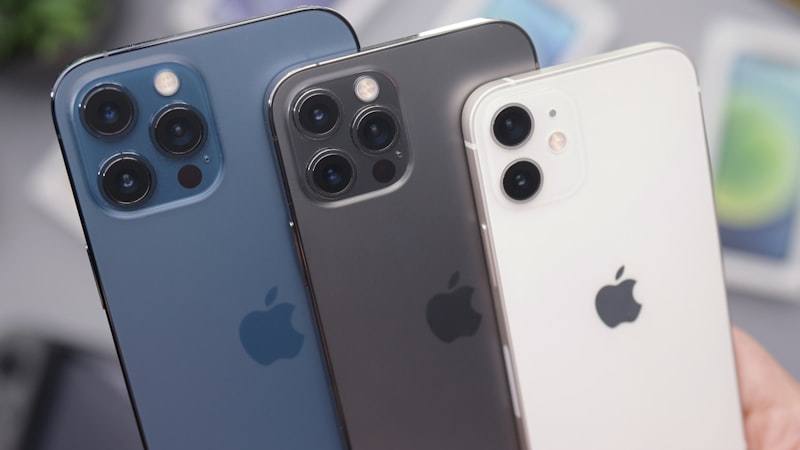
Evaluating Your Existing Lightning Accessories
The first step is to assess the value and utility of your existing Lightning accessories. Consider these categories:
- Essential Accessories: These are items you use daily, such as charging cables, docks, and car chargers. For these, the transition necessitates a switch to USB-C equivalents.
- Specialized Accessories: This category includes items like external microphones, camera adapters, and musical instrument interfaces. The decision to replace depends on your frequency of use and the availability of USB-C alternatives.
- Legacy Accessories: Older accessories like Lightning-based headphones or outdated charging stands may be less relevant in the USB-C era. Consider whether their functionality can be replaced by modern, USB-C compatible options.
Adapters: A Temporary Solution
Apple offers a USB-C to Lightning adapter, allowing users to connect existing Lightning accessories to USB-C iPhones. While this provides a temporary solution, it's important to acknowledge the limitations. Adapters add bulk, can be prone to failure, and may not support the full functionality of certain accessories, particularly those requiring high power delivery. Furthermore, relying heavily on adapters can be inconvenient and detract from the streamlined experience offered by USB-C.
Investing in USB-C Accessories
For essential accessories, investing in USB-C versions is the most practical long-term solution. When purchasing new accessories, consider the following factors:
- Quality and Certification: Opt for accessories from reputable brands that are USB-IF certified. This ensures compatibility, safety, and optimal performance.
- Power Delivery (PD): Choose charging adapters and cables that support USB Power Delivery for faster charging speeds.
- Durability: Look for accessories with robust construction, reinforced cables, and durable connectors to withstand daily use.
- Future-Proofing: Select accessories that are compatible with the latest USB-C standards to ensure compatibility with future devices.
The Future of iPhone Connectivity
The transition to USB-C may not be the final chapter in iPhone connectivity. As we covered on iPhone Open, there are ongoing discussions and explorations of a completely portless iPhone design. While the feasibility and timeline for such a transition remain uncertain, it's a factor to consider when making long-term accessory investments. Wireless charging and data transfer technologies are constantly evolving, potentially reducing the reliance on physical ports in the future.
Making the Switch: A Gradual Process
The transition to a USB-C iPhone accessory ecosystem doesn't need to happen overnight. A gradual approach, focusing on replacing essential accessories first, can minimize disruption and financial burden. Consider selling or donating unwanted Lightning accessories to reduce electronic waste. By carefully evaluating your needs and investing in quality USB-C accessories, you can ensure a seamless and efficient experience with your new iPhone.
Questions readers ask
Is accessories usb transition realistic for the next iPhone, or further out?
Most signals point to a later cycle rather than imminent release. Component lead times for accessories usb transition suggest Apple is still validating the supply side, and the company tends to wait until yields hit production targets before committing on stage.
What's the biggest tradeoff Apple has to swallow for accessories usb transition?
Every Apple decision is a tradeoff, and the obvious one here is internal volume. Adding accessories usb transition costs millimetres somewhere — usually battery capacity or camera module depth — and Apple has to decide which line item to trim.
What does accessories usb transition actually cost — in price, weight, or battery?
Expect a premium of roughly $200–300 over the standard model, plus a small weight penalty. Battery life is the bigger variable — early prototypes typically trade an hour or two of screen-on time for the new capability, then claw it back over a generation.
How does accessories usb transition change the upgrade calculus for existing owners?
Existing owners weigh accessories usb transition against the upgrade they were already planning. If the feature is meaningful for daily use, it pulls forward upgrades by about a year; if it is novelty, it shifts nothing.
In short — what's the takeaway on evaluating your existing lightning accessories?
It comes back to whether Apple can ship accessories usb transition without compromising the parts of the iPhone people already pay for. The detail in this section is where that case is made or broken.