iPhone 14 Pro vs. iPhone 16 Pro: Is Two Generations Enough to Warrant an Upgrade?
For many iPhone users, the two-year mark is a common inflection point for considering an upgrade. Your device, while still perfectly functional, might start to feel a step behind the latest innovations. If you're currently holding onto an iPhone 14 Pro, released in September 2022, and eyeing the current flagship iPhone 16 Pro, the question isn't just about new features, but about practical value and whether the leap justifies the investment in mid-2026.
Editor's pick: Refurbished iPhones on Amazon → As an Amazon Associate, this site earns from qualifying purchases.
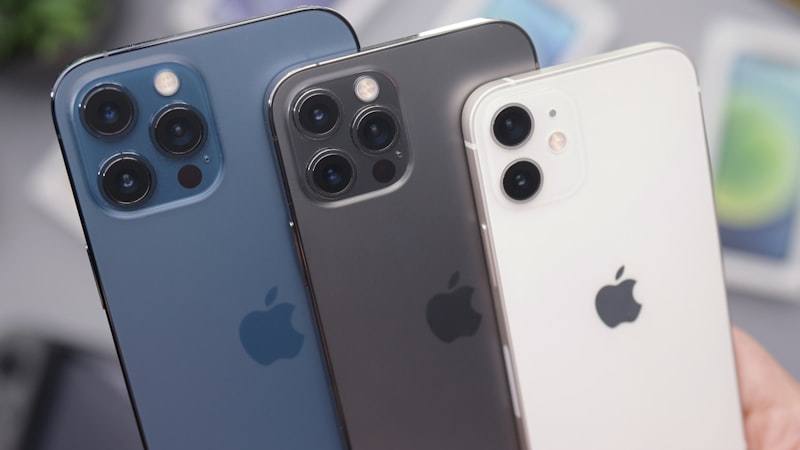
The iPhone 14 Pro was a significant device in its time, introducing the Dynamic Island and the A16 Bionic chip, alongside a powerful 48MP main camera. Two years later, the iPhone 16 Pro builds upon these foundations, but with incremental advancements across the board. Let's break down the key areas to help you determine if an upgrade is truly worthwhile.
Performance: The A16 Bionic vs. A18 Pro
At the core of any iPhone comparison is its processing power. The iPhone 14 Pro features the A16 Bionic chip, still a highly capable processor that handles daily tasks, demanding games, and intensive applications with ease. However, the iPhone 16 Pro, powered by the A18 Pro chip, represents a significant generational leap. This newer silicon offers enhanced CPU and GPU performance, but more notably, it delivers substantial improvements in neural engine capabilities.
For most users, the raw speed difference in opening apps or browsing might not be immediately perceptible. Where the A18 Pro shines is in its handling of advanced on-device machine learning tasks, such as sophisticated photo and video processing, real-time AI features, and potentially more efficient background operations. If your workflow heavily relies on high-end mobile gaming, complex video editing on the go, or emerging AI-powered applications, the 16 Pro will offer a smoother, faster, and more future-proof experience.
Camera System: Refinement and Advanced Computational Photography
The camera was a standout feature on the iPhone 14 Pro, with its 48MP main sensor ushering in a new era of detail for iPhone photography. The iPhone 16 Pro continues this trajectory, featuring further refined sensors across its triple-camera array. While the megapixel count might not always see dramatic increases, the advancements typically lie in larger sensors for better light gathering, improved optical image stabilization, and more sophisticated lens designs.
Expect the 16 Pro to offer superior low-light performance, reduced noise in challenging conditions, and more accurate color reproduction. The computational photography engine, powered by the A18 Pro, also plays a crucial role, delivering more intelligent image processing, enhanced Smart HDR, and potentially new photographic styles or modes. Video recording capabilities typically see boosts in dynamic range, stabilization, and new cinematic features. For serious mobile photographers or videographers, the iterative improvements in the 16 Pro's camera system can translate into noticeably better results, particularly in challenging scenarios.
Display Evolution: Brighter, More Efficient, and Refined
Both the iPhone 14 Pro and 16 Pro boast stunning OLED displays with ProMotion technology, offering adaptive refresh rates up to 120Hz for incredibly fluid scrolling and responsiveness. They also share the Dynamic Island, Apple's innovative interactive notification and activity hub. However, the 16 Pro's display typically features higher peak brightness, especially for HDR content, making it even more vibrant and readable in direct sunlight. Energy efficiency improvements also mean less battery drain for similar levels of brightness.
Subtle refinements in color accuracy and anti-reflective coatings might also be present in the newer model. For a deeper dive into the technical aspects of iPhone displays, you might find our analysis at iPhone View insightful. While the 14 Pro's display remains excellent, the 16 Pro offers marginal, yet noticeable, enhancements for an even more premium viewing experience.
Battery Life: The Gains of Efficiency
Battery longevity is a critical factor for any smartphone user. The iPhone 16 Pro benefits from a combination of factors: a more power-efficient A18 Pro chip, potentially a slightly larger battery capacity, and optimized software. While the iPhone 14 Pro delivered respectable all-day battery life for many, the 16 Pro often extends this duration, offering a bit more headroom for heavy usage or those days when charging isn't immediately convenient. If your 14 Pro's battery health has degraded over two years of use, the 16 Pro will undoubtedly feel like a significant improvement in endurance.
Design and Durability: Titanium and the Action Button
The iPhone 14 Pro featured a surgical-grade stainless steel frame, a premium and robust material. The iPhone 16 Pro, however, has adopted the titanium frame introduced in the iPhone 15 Pro generation. This switch results in a noticeably lighter device, which can significantly improve comfort during extended use. Titanium is also known for its strength-to-weight ratio, potentially offering enhanced durability against everyday bumps and drops.
Another key design differentiator is the Action Button, which replaced the traditional mute switch on the 15 Pro and is present on the 16 Pro. This customizable button can be programmed for various functions, from launching the camera to activating accessibility features or running Shortcuts, adding a layer of convenience the 14 Pro lacks.
Connectivity and Other Features
Connectivity also sees an upgrade. The iPhone 14 Pro features Wi-Fi 6E, while the 16 Pro typically ships with Wi-Fi 7, offering faster wireless speeds and lower latency when paired with compatible routers. 5G modem advancements also mean more reliable and potentially faster cellular connections in supported areas. A significant change is the port: the iPhone 14 Pro uses Apple's proprietary Lightning connector, whereas the iPhone 16 Pro, following the 15 Pro, features a universal USB-C port. This allows for broader compatibility with accessories and faster data transfer speeds, a notable convenience for many users.
The Upgrade Decision: Is It Worth It?
Upgrading from an iPhone 14 Pro to an iPhone 16 Pro in 2026 offers clear advantages: a substantial boost in processing power for AI-driven tasks, a more capable camera, improved battery life, and significant design enhancements like the lighter titanium frame, the versatile Action Button, and the universal USB-C port.
However, the iPhone 14 Pro remains highly competent. If your usage is primarily social media, web browsing, and casual photography, and your current device's battery health is acceptable, you might not feel an immediate need. The financial outlay for a new flagship is considerable. While your 14 Pro will have a decent trade-in value, it won't cover the full cost. The refurbished market for the 14 Pro could also be an option if you're looking for a cost-effective alternative to your current device or are upgrading from an even older model.
Ultimately, the decision hinges on your priorities. For those demanding the absolute latest in performance, camera technology, and a more refined user experience, the iPhone 16 Pro offers compelling reasons to jump. For others, the iPhone 14 Pro continues to be an excellent smartphone, capable of serving your needs for another year or two, especially with careful battery management and ongoing software support.