iPhone Feature Parity: When Does Holding On Become a Smart Move?
iPhone Feature Parity: When Does Holding On Become a Smart Move?
For years, Apple has successfully driven iPhone upgrade cycles through a combination of compelling hardware improvements, software innovations, and clever marketing. However, as the iPhone matures, a trend is emerging: feature parity. The gap between what a new iPhone offers versus what an older, well-maintained model can do is shrinking, leading many users to question the necessity of annual upgrades. In 2026, this question is more pertinent than ever.
Editor's pick: Refurbished iPhones on Amazon → As an Amazon Associate, this site earns from qualifying purchases.
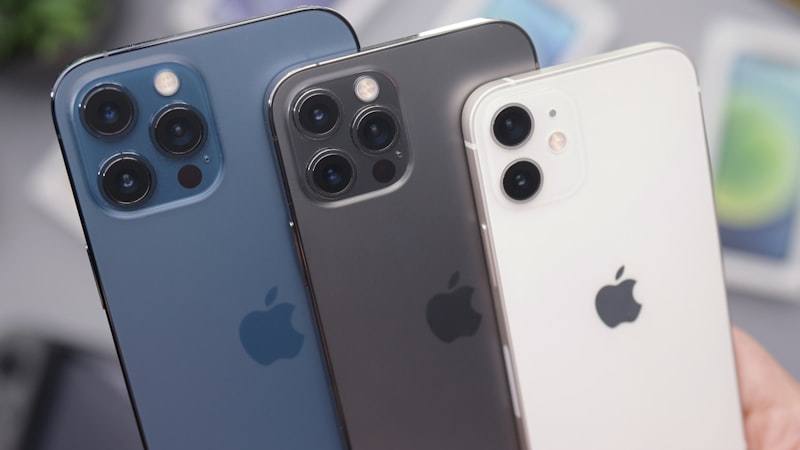
The concept of feature parity refers to the point where the marginal utility of upgrading diminishes significantly. While each new iPhone iteration undoubtedly introduces advancements, many of these innovations are incremental and often accessible, at least in part, to older models through software updates. Consider, for example, advancements in computational photography. While newer iPhones boast more sophisticated camera hardware, much of the image processing magic is handled by the Neural Engine, a component that continues to receive performance enhancements via iOS updates on older devices. This means that an iPhone 13 or 14, while lacking the absolute cutting-edge lens technology of the iPhone 17, can still produce surprisingly competitive photos, especially in well-lit conditions.
Another factor contributing to feature parity is the increasing focus on software services. Apple's emphasis on subscription-based services like iCloud+, Apple Music, and Apple TV+ decouples the value proposition from the hardware itself. A user deeply embedded in the Apple ecosystem can enjoy the majority of these benefits regardless of their iPhone's vintage. Moreover, the longevity of software support further extends the usable lifespan of older iPhones. Apple's commitment to providing security updates and core functionality improvements for several years after a device's release ensures that even older models remain relatively secure and functional.
The Performance Plateau
Performance gains, once a major driver of upgrades, are also showing signs of plateauing. While Apple's silicon continues to advance, the practical impact on everyday tasks is becoming less noticeable. The A16 and A17 Bionic chips offer significant performance boosts on paper, but for common activities like browsing the web, checking email, or streaming video, the difference between an iPhone 13 and an iPhone 17 is often imperceptible. This is particularly true for users who prioritize battery life and choose to optimize their device settings accordingly.
However, certain advancements remain compelling reasons to upgrade. As we explored in our analysis of display technology at iPhone View, ProMotion displays with adaptive refresh rates offer a noticeably smoother user experience, particularly when scrolling through web pages or playing graphically intensive games. For users who prioritize visual fidelity and responsiveness, this feature alone might justify an upgrade. Similarly, advancements in 5G connectivity and the potential emergence of 6G networks could provide a significant boost in data speeds and overall network performance, although the actual impact will depend on carrier availability and infrastructure.
The Financial Equation
Ultimately, the decision to upgrade hinges on a careful evaluation of the financial equation. The cost of a new iPhone, combined with potential trade-in values and the ongoing expense of cellular service, must be weighed against the perceived benefits of the upgrade. For users who are primarily concerned with basic functionality and are willing to forego the latest bells and whistles, holding onto an older iPhone for an extra year or two can be a financially prudent decision. Furthermore, exploring options like battery replacements or screen repairs can extend the usable lifespan of an older device and delay the need for a costly upgrade.
The trend towards feature parity doesn't necessarily signal the end of the iPhone upgrade cycle. Rather, it suggests a shift in consumer priorities. As the iPhone matures, users are becoming more discerning and less susceptible to the allure of incremental improvements. The decision to upgrade is increasingly driven by individual needs and preferences, rather than simply the desire to own the latest model. The iPhone's design evolution, discussed in detail at iPhone Arc, also plays a part in upgrade decisions, with some users drawn to specific design changes more than others.
In conclusion, while the latest iPhone undeniably offers advancements, the shrinking gap between new and old models necessitates a more critical evaluation of the value proposition. For many users, holding onto an older iPhone and maximizing its lifespan may be a smarter move than blindly chasing the next upgrade.