iPhone 13 Holdouts: Is 2026 the Year to Finally Upgrade?
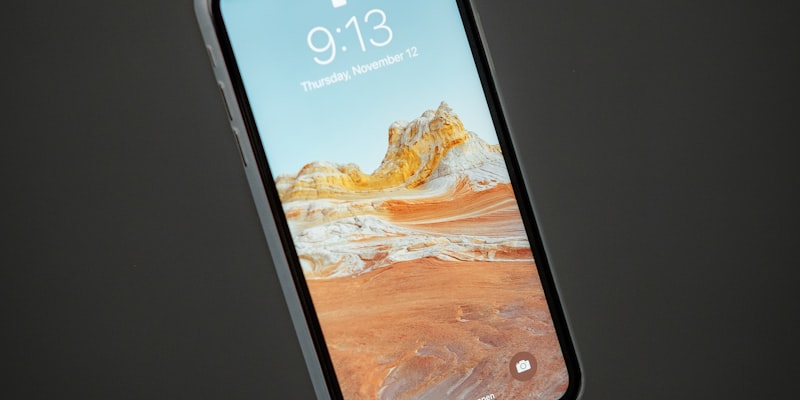
Photo: Unsplash
Editor's pick: Refurbished iPhones on Amazon → As an Amazon Associate, this site earns from qualifying purchases.
iPhone 13 Holdouts: Is 2026 the Year to Finally Upgrade?
The iPhone 13, released in 2021, was a solid step up from its predecessors. Fast forward to 2026, and many users are still happily using this model. But with each new iPhone release, the question arises: is it time to finally upgrade? Let's delve into the factors iPhone 13 owners should consider when making this decision.
Performance and Software Support
The A15 Bionic chip in the iPhone 13 remains capable, handling most everyday tasks and even graphically intensive games with relative ease. However, the gap in processing power between the A15 and the latest silicon from Apple is widening. Newer iPhones boast significantly faster performance in machine learning tasks, image processing, and overall responsiveness. This is particularly noticeable when using features like on-device translation or advanced photo editing tools.
A more pressing concern is software support. While Apple has a strong track record of providing updates for older devices, the iPhone 13 is likely approaching the tail end of its major iOS update lifespan. History suggests Apple typically supports iPhones for around six years. While security updates may continue beyond that, access to the latest features and improvements will eventually cease. This could impact compatibility with future apps and services.
Camera Advancements
The iPhone 13's camera system was a significant upgrade at the time, but camera technology has leaped forward in the intervening years. Newer iPhones benefit from larger sensors, improved image processing algorithms, and advanced computational photography features. Features like ProRes video recording (introduced in later models) and enhanced low-light performance are compelling reasons to consider upgrading for those who prioritize photography and videography. Reports from industry analysts like Ming-Chi Kuo often highlight camera advancements as key differentiators in new iPhone models, citing improvements in sensor technology sourced from companies like Sony.
5G and Connectivity
The iPhone 13 supports 5G, but 5G network infrastructure has matured significantly since its release. Newer iPhones often feature improved 5G modems and antenna designs, resulting in faster and more reliable connections. This is particularly relevant in areas with dense 5G coverage. Furthermore, newer iPhones support emerging Wi-Fi standards, offering faster wireless speeds and improved network stability.
Battery Health and Longevity
After five years of use, the battery health of an iPhone 13 will inevitably have degraded. While battery replacements are an option, they add to the overall cost of ownership. A new iPhone offers a fresh battery and optimized power management, potentially leading to significantly longer battery life.
Trade-In Value and Cost Analysis
The trade-in value of an iPhone 13 is steadily declining. While you can still get some value for your device, delaying the upgrade will only result in a lower return. Factor in the cost of a battery replacement (if needed) versus the trade-in value and the price of a new iPhone. Weigh the benefits of improved performance, camera features, and software support against the cost of upgrading. Explore carrier deals and financing options to potentially offset the upfront cost. Consider also the environmental impact; Apple's trade-in programs often involve recycling and reuse of components.
The Verdict
Whether or not to upgrade from an iPhone 13 in 2026 depends on your individual needs and priorities. If you're primarily concerned with basic functionality and are satisfied with the performance of your device, holding onto it for another year or two might be a viable option. However, if you value the latest features, improved camera capabilities, and future-proofed software support, upgrading to a newer iPhone is worth considering. Keep a close eye on upcoming iPhone releases and their specifications to make an informed decision.
Recommended from our network
Questions readers ask
How does upgrade 2026 change the upgrade calculus for existing owners?
Existing owners weigh upgrade 2026 against the upgrade they were already planning. If the feature is meaningful for daily use, it pulls forward upgrades by about a year; if it is novelty, it shifts nothing.
Does upgrade 2026 require new developer APIs, or can existing apps adapt?
Apple historically ships a quiet developer API the year before the hardware lands, so existing apps that follow human-interface guidelines should adapt with modest work. Apps that hard-code layouts will need updates.
What would convince a sceptical reviewer that upgrade 2026 is worth it?
Hands-on time is the only honest test. A reviewer's first hour with the device tells them whether upgrade 2026 is solving a real problem they had, or a feature looking for a use case. The reviews following launch will be the verdict.
Will upgrade 2026 replace the current model or sit alongside it?
The likeliest path is co-existence — a new variant alongside the existing lineup, not a replacement. Apple's segmentation playbook keeps the older model around at a lower price for at least one cycle to absorb the gap.
In short — what's the takeaway on the verdict?
It comes back to whether Apple can ship upgrade 2026 without compromising the parts of the iPhone people already pay for. The detail in this section is where that case is made or broken.