Refurbished iPhone 14 vs. Refurbished iPhone 15: Is the Upgrade Worth the Cost in 2026?
In 2026, the refurbished market offers compelling value for Apple's recent iPhone generations. For many users looking to upgrade without paying new device prices, the choice often narrows down to models like the iPhone 14 and the iPhone 15. While both are excellent devices, the iPhone 15 brought several key changes that warrant a closer look when considering an upgrade from an existing iPhone, or purchasing either as a refurbished option. The question isn't just about raw specifications, but about real-world utility, longevity, and the diminishing returns of incremental improvements.
Editor's pick: Refurbished iPhones on Amazon → As an Amazon Associate, this site earns from qualifying purchases.
Understanding the Core Differences
At first glance, the iPhone 14 and iPhone 15 might appear similar, but the latter introduced significant shifts in design, connectivity, and user interface.
The Dynamic Island Takes Center Stage
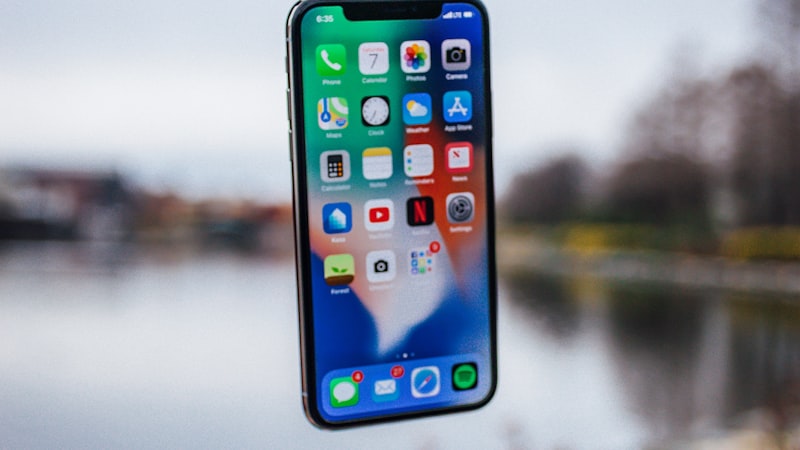
Perhaps the most noticeable user interface change on the iPhone 15 is the adoption of the Dynamic Island, replacing the traditional notch found on the iPhone 14. This interactive pill-shaped cutout dynamically expands and contracts to display alerts, background activities, and Live Activities. For users coming from any notched iPhone, the Dynamic Island offers a more fluid and engaging way to interact with notifications and ongoing tasks. While not a purely functional upgrade in terms of core phone capabilities, it fundamentally changes the visual experience.
USB-C: A Universal Shift
The iPhone 15 marked Apple's transition from Lightning to USB-C for its charging and data port. This is a practical, user-centric upgrade that aligns the iPhone with a broader ecosystem of devices, including modern Macs, iPads, and a vast array of third-party accessories. For those who already own USB-C peripherals or want to simplify their cable management, the iPhone 15's USB-C port is a significant convenience. The iPhone 14, by contrast, retains the Lightning port, which may be an advantage for users heavily invested in older Lightning accessories, but ultimately represents a step away from future universal standards.
Camera Capabilities: A Megapixel Leap
The camera system received a substantial upgrade with the iPhone 15. It features a new 48-megapixel main camera with a larger sensor, enabling superior low-light performance and the ability to capture 2x telephoto shots using the central portion of the sensor. The iPhone 14 still boasts a very capable 12-megapixel main camera, producing excellent photos in most conditions. However, the iPhone 15's computational photography advancements, combined with the higher resolution sensor, offer greater flexibility for cropping, improved detail, and more versatile zoom options without a dedicated telephoto lens.
Under the Hood: Performance and Display
Powering the iPhone 15 is the A16 Bionic chip, previously seen in the iPhone 14 Pro models. The iPhone 14 utilizes the A15 Bionic chip. While the A16 offers a generational leap in raw processing power and graphics performance, the A15 remains exceptionally fast for everyday tasks, demanding applications, and gaming. Both chips ensure smooth iOS performance and will continue to receive software updates for years to come. The iPhone 15 also features a brighter display, peaking at 2000 nits outdoors, compared to the iPhone 14's 1200 nits peak brightness, making it noticeably easier to view in direct sunlight.
The Refurbished Value Proposition in 2026
When evaluating these models in the refurbished market, the price differential becomes a crucial factor. By 2026, both the iPhone 14 and iPhone 15 have seen their initial retail prices depreciate, with the iPhone 14 typically being the more affordable option. Reputable refurbished retailers like Back Market, Amazon Renewed, and network providers offer these devices after thorough testing and often with warranties, making them a safe purchase.
For budget-conscious buyers, a refurbished iPhone 14 still represents exceptional value. Its performance is robust, its camera is excellent, and it will continue to receive iOS updates for several more years. It's a device that can comfortably last another three to four years for most users.
The iPhone 15, on the other hand, commands a slightly higher price in the refurbished market, but it brings with it the Dynamic Island, USB-C, and a more advanced camera system. These features provide a stronger sense of future-proofing and a more modern user experience. The brighter display is also a welcome enhancement for outdoor visibility.
Who Should Consider the Upgrade?
- If you prioritize the latest user experience and connectivity: The Dynamic Island and USB-C on the iPhone 15 are significant quality-of-life improvements that might justify the additional cost, especially if you're keen on standardizing your charging cables.
- If photography is a key factor: The 48-megapixel main camera and 2x telephoto option on the iPhone 15 offer a noticeable upgrade for enthusiasts who demand more detail and flexibility from their smartphone camera.
- If you're coming from an older iPhone (e.g., iPhone 12 or earlier): Both the iPhone 14 and iPhone 15 will feel like substantial upgrades. The iPhone 15 offers a more complete modern package, but the iPhone 14 provides a powerful experience at a potentially lower refurbished price point, still extending your device's useful life considerably.
- If you're currently using an iPhone 14: Upgrading to a refurbished iPhone 15 is generally not recommended unless the Dynamic Island, USB-C, or the camera advancements are absolutely critical to your workflow. The performance bump from A15 to A16 is marginal for most daily tasks, and the iPhone 14 has plenty of life left.
Conclusion
In 2026, both the refurbished iPhone 14 and iPhone 15 stand as strong contenders for value-conscious buyers. The iPhone 14 offers a robust, capable experience at a more accessible refurbished price, representing an excellent choice for extending an older iPhone's useful life. However, the iPhone 15, with its Dynamic Island, universal USB-C port, and enhanced camera system, delivers a more modern and slightly more future-proof package. Your decision should ultimately hinge on your budget and how much you value these specific generational improvements. For many, the iPhone 14 will continue to be a smart, economical choice, while those seeking the latest refinements will find the iPhone 15 a worthwhile step up.