iPhone 12 in 2026: Still a Viable Option?
Is the iPhone 12 Holding Up in 2026?
The iPhone 12, released in 2020, is now several generations behind Apple's latest offerings. In 2026, the question naturally arises: is it still a viable option, or is it time for an upgrade? While the answer depends heavily on individual needs and usage patterns, a thorough assessment of its capabilities against current standards is crucial.
Editor's pick: Refurbished iPhones on Amazon → As an Amazon Associate, this site earns from qualifying purchases.
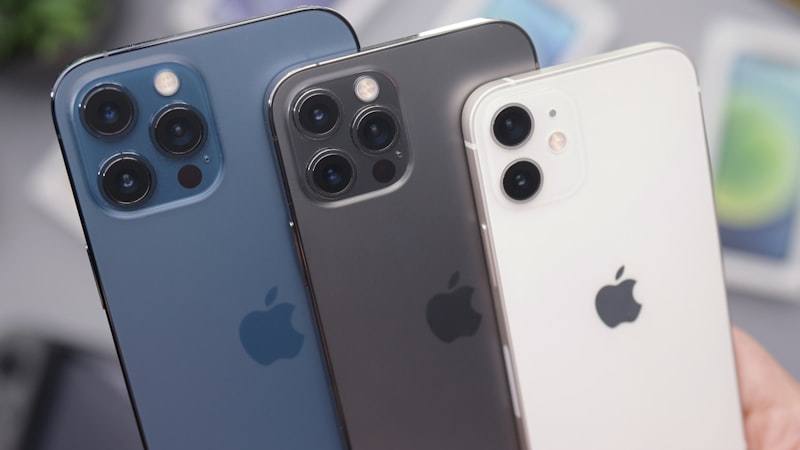
One of the primary considerations is performance. The A14 Bionic chip, while powerful in its time, is undoubtedly slower than the A17 Pro found in the iPhone 17. For basic tasks like browsing, social media, and communication, the iPhone 12 will likely continue to perform adequately. However, users engaging in demanding activities such as gaming, video editing, or augmented reality applications may experience noticeable slowdowns and limitations.
Software support is another vital factor. Apple typically provides software updates for around five to six years after a device's release. This means that 2026 might be the last year that the iPhone 12 receives major iOS updates. While security patches and minor updates could continue for a while longer, the absence of new features and functionalities could make the user experience feel increasingly dated. Consider this in light of the advancements we anticipate in the next iteration of iOS, especially regarding on-device AI capabilities.
Camera Capabilities: Still Competitive?
The iPhone 12 features a dual-camera system with a 12MP Wide and 12MP Ultra Wide lens. While it lacks the advanced computational photography features and larger sensors found in newer iPhones, it still captures decent photos in good lighting conditions. Low-light performance, however, will likely be noticeably inferior compared to the iPhone 16 and 17. Users who prioritize photography and videography may find the limitations of the iPhone 12 camera system increasingly frustrating.
5G and Connectivity
The iPhone 12 was Apple's first 5G-enabled device. While 5G coverage has expanded significantly since its release, the modem technology in the iPhone 12 is less efficient and potentially slower than newer generations. This could result in shorter battery life and less reliable 5G connectivity in areas with weaker signals. Furthermore, the lack of support for newer 5G bands could limit access to the fastest speeds in some regions.
Display and Design
The iPhone 12 features a 6.1-inch Super Retina XDR display. While the display is still sharp and vibrant, it lacks the ProMotion technology found in newer iPhone models, as we explored in our analysis of display technology at iPhone View. This means that the iPhone 12's display has a fixed 60Hz refresh rate, resulting in less smooth scrolling and animations compared to displays with adaptive refresh rates. The design, while still aesthetically pleasing, is also starting to show its age compared to the more refined designs of newer iPhones. The flat edges, which were initially praised, have been iterated upon with subtle curves and improved ergonomics in subsequent models.
Battery Health and Replacement
After six years of use, the battery health of an iPhone 12 will likely be significantly degraded. Users may experience shorter battery life and the need to charge their device more frequently. While battery replacement is an option, it adds to the overall cost of ownership and may not be worth it for a device that is nearing the end of its software support lifecycle.
Trade-In Value and Alternatives
The trade-in value of an iPhone 12 in 2026 will be relatively low. Depending on the condition of the device, it may only be worth a few hundred dollars. Considering the limitations of the device and the low trade-in value, upgrading to a newer iPhone, such as the iPhone 16 or 17, may be a more worthwhile investment in the long run. Alternatively, exploring the used market for a more recent model could provide a significant performance boost without breaking the bank.
Conclusion
The iPhone 12 can still function as a basic smartphone in 2026. However, its performance, camera capabilities, and battery life will likely be noticeably inferior compared to newer models. Users who prioritize performance, photography, and access to the latest features should strongly consider upgrading. For those with more modest needs and a tight budget, the iPhone 12 might still be a passable option, but be aware of its limitations and the potential for diminishing software support. Before making a decision, carefully weigh your individual needs and budget against the benefits of upgrading to a newer device.