iPhone Upgrade Regret: Avoiding the 'What If's of 2026
iPhone Upgrade Regret: Avoiding the 'What If's of 2026
The yearly cycle of iPhone releases, even in 2026, continues to tempt users with promises of enhanced features and performance. However, the reality is that not every upgrade is a home run. This article explores the common pitfalls that lead to upgrade regret and offers strategies to ensure a more satisfying decision.
Editor's pick: Refurbished iPhones on Amazon → As an Amazon Associate, this site earns from qualifying purchases.
The Performance Plateau Problem
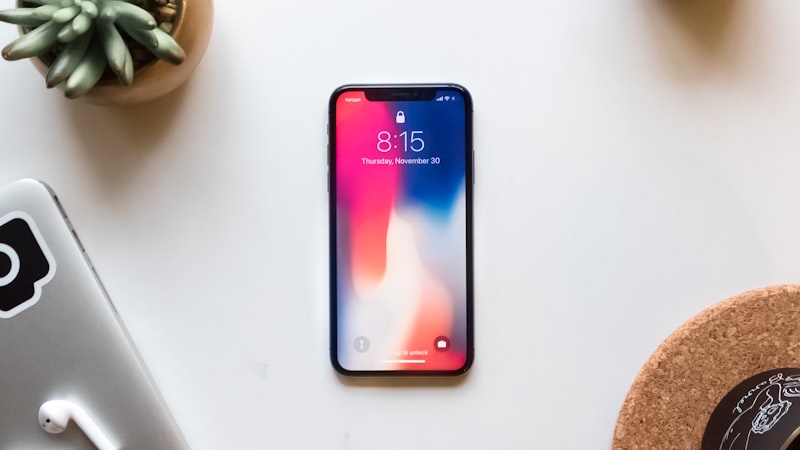
One of the most frequent sources of regret stems from the diminishing returns in performance. While Apple's silicon continues to impress, the tangible benefits for everyday tasks become less pronounced year after year. An iPhone 13 user upgrading to an iPhone 16, for example, might experience a noticeable difference, but someone moving from an iPhone 15 may find the gains less significant. This is especially true for users who primarily use their iPhones for browsing, social media, and basic productivity. Before upgrading, carefully consider whether your current iPhone's performance is genuinely hindering your activities. Evaluate specific use cases, such as gaming or video editing, to determine if the newer model's processing power warrants the cost.
The Feature Creep Conundrum
New iPhones often introduce a host of new features, but many of these features may be niche or underutilized by the average user. Upgrading solely for a specific feature, like an enhanced telephoto lens or a new augmented reality capability, can lead to disappointment if that feature doesn't become an integral part of your daily workflow. Before committing to an upgrade, research and consider how often you will realistically use each new feature. Weigh the value of these features against the overall cost of the upgrade.
The Battery Blues
While Apple strives to improve battery life with each new iPhone, factors like usage patterns, background processes, and app optimization can significantly impact real-world performance. Furthermore, aging batteries in older models can create a false sense of urgency for an upgrade. Before assuming a new iPhone will solve your battery woes, consider exploring battery optimization techniques or replacing the battery in your current device. A fresh battery can often extend the lifespan of an older iPhone and negate the need for an immediate upgrade. As we've covered extensively on this site, battery health is a crucial factor in iPhone longevity.
The Size and Ergonomics Equation
Physical size and ergonomics are often overlooked factors in the upgrade decision. A larger iPhone might offer a bigger display and more features, but it can also be less comfortable to hold and operate with one hand. Conversely, a smaller iPhone might be more pocket-friendly but compromise on screen real estate. Before upgrading, try out the new iPhone in person to assess its ergonomics and ensure it aligns with your comfort and usage preferences. Consider the trade-offs between size, weight, and functionality.
The Display Disappointment
While iPhone displays have consistently improved, individual preferences vary. Some users might prefer the color accuracy of older OLED panels, while others prioritize the higher refresh rates of ProMotion displays. As we explored in our analysis of display technology at iPhone View, factors like brightness, contrast, and color temperature can significantly impact the viewing experience. Before upgrading, compare the display characteristics of the new iPhone with your current device to ensure it meets your visual preferences.
The Software Support Stranglehold
One of the primary reasons to upgrade an iPhone is continued software support. Apple typically provides several years of software updates for each iPhone model, ensuring access to the latest features, security patches, and performance improvements. However, even with software updates, older iPhones may eventually experience performance degradation or incompatibility with newer apps. Research the expected software support timeline for your current iPhone to determine if an upgrade is necessary to maintain optimal performance and security. Weigh the cost of upgrading against the potential risks of using an unsupported device.
Avoiding the Regret Spiral
Ultimately, avoiding iPhone upgrade regret requires careful consideration of your individual needs, usage patterns, and budget. Resist the allure of marketing hype and focus on tangible benefits that align with your priorities. By thoroughly researching your options, evaluating your current iPhone's performance, and considering the potential drawbacks of upgrading, you can make a more informed decision and minimize the risk of post-purchase remorse.