iPhone Data Privacy Settings: A 2026 Deep Dive and Upgrade Implications
iPhone Data Privacy: A Key Factor in Upgrade Decisions for 2026
In 2026, data privacy remains a paramount concern for smartphone users. Apple has consistently positioned itself as a champion of user privacy, integrating various features into iOS to protect personal information. Understanding these settings and their evolution is crucial when considering an iPhone upgrade.
Editor's pick: Refurbished iPhones on Amazon → As an Amazon Associate, this site earns from qualifying purchases.
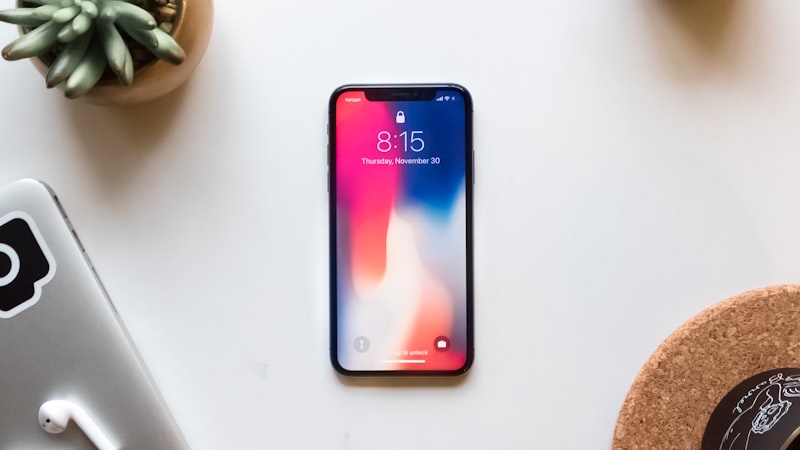
Understanding the Core Privacy Settings
The foundation of iPhone's privacy lies in its granular control over app permissions. Users can manage access to location, contacts, camera, microphone, and more. iOS provides clear explanations of why an app is requesting specific permissions, empowering users to make informed decisions.
App Tracking Transparency (ATT): Introduced in iOS 14, ATT requires apps to obtain explicit permission before tracking user activity across other apps and websites. This feature has significantly impacted the advertising industry and given users greater control over their data. When upgrading, it's important to review which apps have been granted tracking permission and adjust accordingly.
Location Services: iPhones offer precise and approximate location sharing options. Users can choose to share their location 'Always,' 'While Using the App,' or 'Never.' They can also enable 'Precise Location' for apps that require accurate location data, or disable it for apps that only need a general idea of the user's location. Regularly auditing location permissions is a good privacy practice, especially after upgrading.
Microphone and Camera Access: iOS displays indicators in the status bar when the microphone or camera is in use, providing a visual cue to potential privacy breaches. Users should regularly check which apps have access to these sensors and revoke permissions from any suspicious or unnecessary applications. Apple's commitment to hardware-level privacy, such as microphone mute indicators, further enhances user confidence.
The Evolution of Privacy Features and Upgrade Implications
Each iOS update introduces new privacy features and enhancements. For example, recent updates have focused on reducing data collection by Apple itself and enhancing end-to-end encryption for various services. When considering an upgrade, it's important to research the latest privacy features offered by the new iOS version. A newer iPhone will naturally support the most recent security patches and privacy enhancements.
Older iPhone models, while still functional, may lack support for the latest iOS updates and, consequently, the most advanced privacy features. This can be a significant factor in upgrade decisions, especially for users who prioritize data security. The continued support of security updates for older devices is a key consideration; however, at some point, the absence of feature updates and potential vulnerabilities can outweigh the cost of upgrading.
Privacy Considerations When Trading In or Selling Your iPhone
Before trading in or selling your old iPhone, it's crucial to properly erase all data and unlink your Apple ID. iOS provides a built-in feature to securely wipe the device, ensuring that personal information is not accessible to the new owner. Additionally, consider enabling 'Find My' before erasing the device, which can help prevent unauthorized activation if the device is lost or stolen during the trade-in process.
Beyond wiping the device, it's also advisable to review your iCloud account and remove any personal data that may be synced to the cloud, such as photos, contacts, and notes. This adds an extra layer of security and protects your privacy even after the device is no longer in your possession.
The Future of iPhone Privacy
Apple's commitment to privacy suggests that future iOS updates will continue to introduce new features and enhancements. As the regulatory landscape evolves, Apple is likely to adapt its privacy policies and technologies to meet the changing demands of consumers and governments. Staying informed about these developments is crucial for making informed decisions about iPhone upgrades and data security.
Ultimately, the decision to upgrade an iPhone in 2026 is a multifaceted one, with data privacy being a significant factor. By understanding the existing privacy settings, the evolution of privacy features, and the implications of trading in or selling an old device, users can make informed choices that align with their personal privacy priorities. The interplay between hardware and software is also crucial. As we explored in our analysis of display technology at iPhone View (https://iphoneview.com), advancements in screen technology are often tied to new features and improved security protocols within the operating system.