Refurbished iPhone 12 Pro vs. iPhone 14: Navigating the Value Equation in 2026
The refurbished iPhone market in 2026 offers a compelling proposition for those looking to save money while still acquiring a powerful and reliable smartphone. As newer models push the boundaries of price, older generations, particularly those two to four years removed from their launch, present excellent value. A common dilemma for many buyers is deciding between an older 'Pro' model and a slightly newer 'standard' model. Specifically, the iPhone 12 Pro, launched in 2020, and the iPhone 14, released in 2022, stand out as two prime candidates for refurbished acquisition. But which one offers the better balance of features, performance, and longevity for your investment today?
Editor's pick: Refurbished iPhones on Amazon → As an Amazon Associate, this site earns from qualifying purchases.
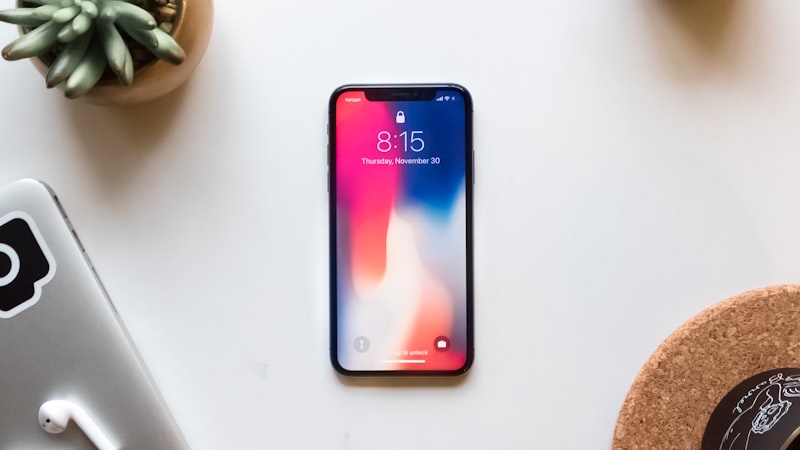
Performance: A14 Bionic vs. A15 Bionic
At the heart of the iPhone 12 Pro is Apple's A14 Bionic chip, while the iPhone 14 is powered by the A15 Bionic (the same chip found in the iPhone 13 Pro series). On paper, the A15 Bionic offers a roughly 15-18% CPU performance uplift and a more significant GPU improvement compared to the A14. In 2026, both processors remain highly capable. For everyday tasks—web browsing, social media, email, and most productivity apps—the difference between the A14 and A15 Bionic is largely imperceptible. Both handle iOS 17 and upcoming software updates with ease.
However, for demanding applications such as high-fidelity mobile gaming, intensive video editing, or augmented reality experiences, the A15 Bionic in the iPhone 14 will offer a smoother, more sustained performance. Its more efficient architecture also contributes to better power management, potentially translating to marginally improved real-world battery life, even in a refurbished unit.
While the A15 Bionic holds a technical edge, the A14 Bionic in the iPhone 12 Pro is far from obsolete. Its performance remains robust for the vast majority of user activities in 2026, underscoring Apple's commitment to long-term software optimization.
Camera System: Pro Features vs. Computational Advances
This is where the comparison gets particularly interesting. The iPhone 12 Pro boasts a triple-camera system: Wide, Ultra Wide, and Telephoto, along with a LiDAR Scanner. The Telephoto lens offers 2.5x optical zoom in, a feature absent on the iPhone 14. The LiDAR Scanner, primarily used for improved low-light autofocus and advanced AR applications, was a Pro-exclusive feature.
The iPhone 14, on the other hand, features a dual-camera system (Wide and Ultra Wide) but comes with a larger main sensor and Apple's Photonic Engine, which significantly enhances low-light photography across all cameras through deep integration of hardware and software. The iPhone 14 also benefits from Action Mode for video stabilization and an improved Cinematic Mode that operates at 4K resolution (compared to 1080p on the 12 Pro).
- iPhone 12 Pro advantages: Dedicated Telephoto lens for optical zoom, LiDAR Scanner for faster low-light focus and depth mapping.
- iPhone 14 advantages: Superior low-light performance (Photonic Engine), improved video stabilization (Action Mode), higher resolution Cinematic Mode.
For users who frequently zoom or require precise depth data for AR, the 12 Pro's hardware suite is a clear win. However, for most casual photographers seeking excellent overall image quality, particularly in challenging light conditions, the iPhone 14's computational photography advancements often yield more consistent and impressive results.
Design and Display: Premium Build vs. Durability Focus
The iPhone 12 Pro features a premium stainless steel frame, giving it a more substantial feel and a glossy, reflective finish compared to the iPhone 14's aerospace-grade aluminum. Both models feature an OLED Super Retina XDR display, offering vibrant colors and deep blacks. While the iPhone 12 Pro's maximum typical brightness is 800 nits (1200 nits peak HDR), the iPhone 14 slightly edges it out with 800 nits typical and 1200 nits peak HDR, resulting in a marginally brighter experience outdoors. Neither model includes ProMotion adaptive refresh rate technology, which remained a Pro-exclusive feature until later generations.
Both devices utilize Apple's Ceramic Shield front cover for improved drop performance. While stainless steel is more resistant to scratches than aluminum, it is also heavier and can show fingerprints more readily. The choice here largely comes down to aesthetic preference and whether the premium feel of stainless steel outweighs the iPhone 14's slightly lighter build. As we explored in our analysis of display technology at iPhone View, OLED panels deliver exceptional contrast and color accuracy, a benefit enjoyed by both of these models.
Battery Life and Longevity
When purchasing a refurbished iPhone, battery health is a critical consideration. While a refurbished unit should come with a minimum guaranteed battery health (e.g., 80% or higher from reputable sellers like Back Market or Amazon Renewed), the original capacities differ. The iPhone 14 has a larger battery than the 12 Pro. Coupled with the more efficient A15 Bionic chip, the iPhone 14 generally offers superior battery endurance. This difference could be significant in 2026, as even a well-maintained refurbished battery will have some degradation.
In terms of software longevity, both devices are expected to receive iOS updates for several more years. Apple typically provides 5-7 years of major iOS support. Given their release dates, the iPhone 12 Pro will likely see its last major iOS update sooner than the iPhone 14, but both should remain functional and secure for the foreseeable future, especially with critical security updates. Users looking to squeeze maximum years out of their device might lean towards the 14 for its extended software runway.
Price and Refurbished Market Value
In mid-2026, the refurbished market will naturally price the iPhone 14 higher than the iPhone 12 Pro due to its newer release date and slightly more advanced core components. The price delta will vary significantly based on storage capacity, cosmetic condition, and the refurbisher. Expect the iPhone 12 Pro to represent a more budget-friendly entry point, while the iPhone 14 will sit at a slightly higher tier, still offering substantial savings over current-generation new models.
When considering your purchase, always prioritize reputable refurbished sellers who offer warranties and clear grading systems for cosmetic condition and battery health. This mitigates the risk associated with buying a pre-owned device.
The Verdict: Which Refurbished iPhone is Right for You?
- Choose the Refurbished iPhone 12 Pro if: You prioritize a premium build (stainless steel), a dedicated optical zoom lens, and LiDAR for specific AR or photography needs, and you can find it at a significantly lower price point. Its performance remains excellent for most tasks.
- Choose the Refurbished iPhone 14 if: You want the best possible computational photography, slightly better overall performance, superior battery endurance, and a longer expected software support window. You're willing to pay a little more for these incremental but meaningful upgrades.
Both are excellent choices in the refurbished market, demonstrating Apple's commitment to long-lasting hardware. Your decision ultimately hinges on your specific priorities and budget in 2026.