iPhone Upgrade Paralysis: Navigating Apple's Feature Incrementality in 2026
iPhone Upgrade Paralysis: Navigating Apple's Feature Incrementality in 2026
For years, the annual iPhone release cycle was met with fervent anticipation. Each new model promised significant leaps in performance, design, and functionality, driving consumers to eagerly trade in their existing devices. However, in 2026, a different sentiment seems to be emerging: upgrade paralysis. This phenomenon, characterized by hesitation and uncertainty towards upgrading, is becoming increasingly prevalent among iPhone users. What's driving this shift, and what does it mean for Apple and its customers?
Editor's pick: Refurbished iPhones on Amazon → As an Amazon Associate, this site earns from qualifying purchases.
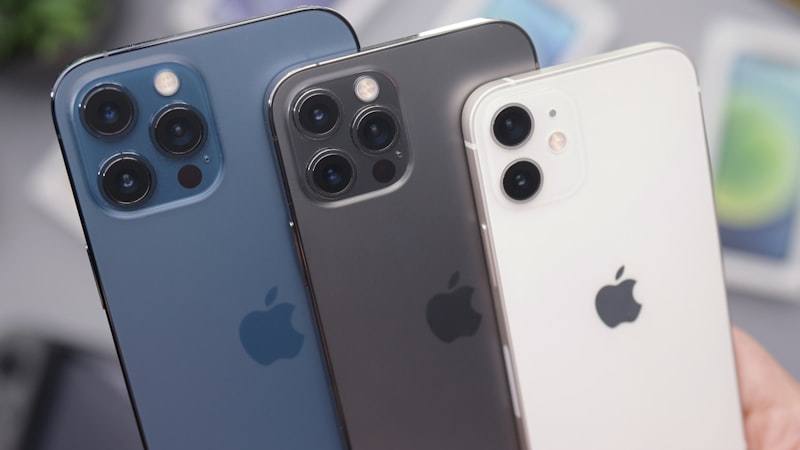
Several factors contribute to this growing hesitancy. Firstly, the pace of innovation has slowed. The dramatic changes seen in earlier iPhone generations, such as the introduction of Retina displays or significant camera improvements, are now less frequent. Instead, we see incremental updates – a slightly faster processor, a marginally better camera sensor, or a tweaked design. While these improvements are welcome, they often fail to provide a compelling reason for users to abandon their perfectly functional older iPhones.
Secondly, the cost of upgrading remains a significant barrier. The latest iPhone models consistently command premium prices, and even with trade-in programs, the financial outlay can be substantial. For many users, the marginal benefits of a new iPhone simply don't justify the expense, especially when their current device still meets their daily needs.
A key element of iPhone’s appeal is its sleek design. As we have covered extensively at iPhone Arc, Apple has focused on a meticulous industrial design which could explain the hesitation with upgrading - user satisfaction with aesthetics, materials, and overall form factor.
The Role of Software and Services
Apple's commitment to providing long-term software support for its devices also plays a role in upgrade paralysis. iPhones receive several years of iOS updates, ensuring that even older models retain access to the latest features and security patches. This extended software support diminishes the sense of urgency to upgrade, as users can continue to enjoy a relatively modern and secure experience on their existing devices.
Furthermore, Apple's growing emphasis on services, such as Apple Music, iCloud, and Apple TV+, reduces the reliance on owning the latest hardware. These services are accessible across a range of devices, including older iPhones, allowing users to benefit from Apple's ecosystem without necessarily needing to upgrade to the newest model.
Feature Fatigue and Diminishing Returns
Another contributing factor is the concept of feature fatigue. iPhones are packed with features, many of which are rarely used by the average user. As Apple continues to add new functionalities, it becomes increasingly difficult for users to keep up, leading to a sense of overwhelm and a diminishing appreciation for new features. This can further contribute to upgrade paralysis, as users may feel that they are not fully utilizing the capabilities of their current iPhone, let alone a newer model.
The advancements in display technology, while impressive, might not be noticeable to the average user. As we explored in our analysis of display technology at iPhone View, the incremental improvements in brightness, color accuracy, and refresh rates are often subtle and may not be perceived by all users, thereby not providing a strong enough incentive to upgrade.
The Future of iPhone Upgrades
So, what does the future hold for iPhone upgrades? It's likely that Apple will need to find new ways to incentivize users to upgrade, beyond simply offering incremental improvements. This could involve introducing more compelling new features, offering more generous trade-in programs, or exploring alternative upgrade models, such as subscription services.
Ultimately, the success of Apple's upgrade strategy will depend on its ability to convince users that the benefits of upgrading outweigh the costs. In an era of slowing innovation and increasing prices, this is a challenge that Apple must address in order to maintain its position as the leader in the smartphone market.