iPhone Upgrade Cycles: Beyond the Hardware, Into Services
iPhone Upgrade Cycles: Beyond the Hardware, Into Services
The year is 2026, and the iPhone market is mature. The pace of revolutionary hardware innovation has slowed, leaving many users questioning the necessity of annual upgrades. While the iPhone 17 boasts incremental improvements over its predecessors, a different factor is increasingly influencing upgrade decisions: Apple's expanding ecosystem of services.
Editor's pick: Refurbished iPhones on Amazon → As an Amazon Associate, this site earns from qualifying purchases.
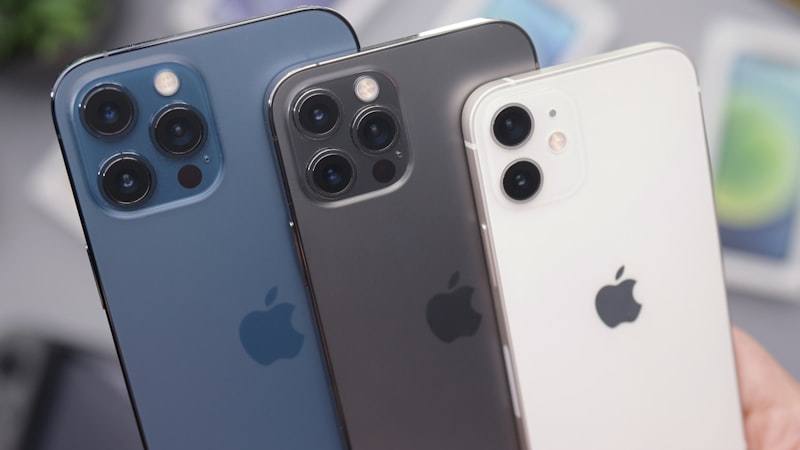
Historically, the primary drivers for upgrading iPhones were centered around hardware advancements: a faster processor, improved camera capabilities, a more vibrant display, or a refreshed design. However, the performance gap between generations has narrowed. The A-series chips remain incredibly powerful, and even older iPhones can handle most tasks with ease. The camera improvements, while consistently impressive, offer diminishing returns for the average user. Design changes, too, have become more iterative than revolutionary, offering less compelling reasons to switch. As we discussed on iPhone Arc (https://iphonearc.com), the focus on sustainable materials and minimizing design changes is also impacting perceived obsolescence.
This is where Apple's services step in. Apple One, with its bundled offerings of Apple Music, Apple TV+, iCloud+, Apple Arcade, and Apple Fitness+, plays a significant role in user retention and, consequently, upgrade decisions. Users deeply embedded in the Apple ecosystem are more likely to remain within it, and a newer iPhone offers a seamless experience with these services.
The Service Integration Lock-In
Consider iCloud+. For users heavily reliant on iCloud for storage, backups, and file sharing, upgrading to a newer iPhone often means accessing the latest iCloud features and optimizations. While older iPhones can still access iCloud, newer devices benefit from improved integration and potentially better performance, especially when dealing with large photo and video libraries. Similarly, Apple Fitness+ benefits from the advanced sensors and processing power of newer iPhones and Apple Watches, providing a more accurate and immersive workout experience.
Apple Arcade, with its growing library of exclusive games, also acts as a subtle upgrade incentive. While most games are compatible with older iPhones, the latest titles often leverage the advanced graphics capabilities of newer devices, resulting in a smoother and more visually stunning gaming experience. This is especially true as augmented reality (AR) games become more prevalent, requiring the advanced processing power and sensors found in newer iPhones.
The Security Update Factor
While Apple provides security updates for older iPhones for a reasonable period, there comes a point where older models are no longer supported. This lack of security updates presents a significant risk, making users vulnerable to malware and other security threats. While it is not planned obsolescence in the traditional sense, the end of security updates effectively renders older iPhones unusable for many security-conscious users. This is especially true as Apple Pay and other sensitive applications become increasingly integrated into daily life. As we've discussed previously, security updates are a critical component of iPhone lifespan (see: iphoneevolve.com/iphone-security-updates-2026).
The Trade-In Value Proposition
Apple's trade-in program further incentivizes upgrades. The value offered for older iPhones can significantly offset the cost of a new device, making the upgrade more financially palatable. This, combined with the perceived benefits of the latest features and services, often tips the scales in favor of upgrading, even if the hardware improvements are incremental. Apple's financial reports consistently demonstrate the importance of trade-in programs to bolster sales and maintain customer loyalty.
The Future of iPhone Upgrades
Looking ahead, Apple is likely to further integrate its services into the iPhone experience, making it even more difficult for users to leave the ecosystem. This could involve exclusive service features for newer iPhones, deeper integration with Apple's AR/VR initiatives, or even subscription-based hardware models. The iPhone upgrade cycle is no longer solely about the hardware; it's about the entire Apple experience, and the company is strategically leveraging its services to keep users upgrading.
While the allure of cutting-edge hardware will always exist, Apple's services are playing an increasingly important role in driving iPhone upgrades. For many users, the value proposition of a new iPhone now extends beyond the device itself, encompassing the seamless integration and enhanced experience offered by Apple's expanding ecosystem.