iPhone's Software-Hardware Symbiosis: The Diminishing Returns of Pure Silicon Power
The Shifting Sands of iPhone Performance: Beyond Raw Silicon
For years, the headline feature of each new iPhone was a significant leap in processing power. Apple's custom silicon, the A-series chips, consistently outpaced the competition in benchmark tests and real-world performance. However, as we move further into 2026, the gains from raw silicon upgrades are becoming less pronounced, leading to a critical question: How is Apple maintaining the perception and reality of improved performance?
Editor's pick: Refurbished iPhones on Amazon → As an Amazon Associate, this site earns from qualifying purchases.
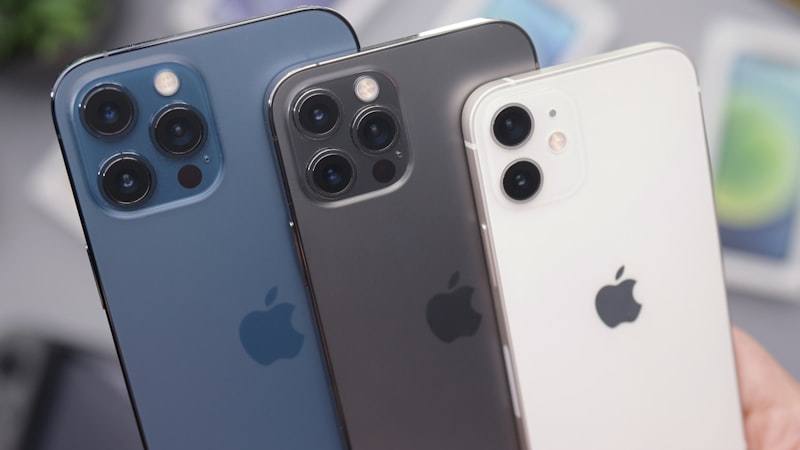
The answer lies in a deepening symbiosis between hardware and software, where Apple leverages its control over both domains to optimize performance in ways that pure silicon improvements alone cannot achieve. This approach is becoming increasingly crucial as Moore's Law slows and the cost of achieving marginal gains in chip performance rises dramatically.
The Power of Vertical Integration
Apple's vertical integration – designing both the hardware (SoC, display, camera systems) and the software (iOS) – gives it a unique advantage. This allows for deep optimization, where software is specifically tailored to exploit the capabilities of the underlying hardware. Unlike Android devices, which run on a fragmented ecosystem of hardware and software, iPhones benefit from this tight integration.
A prime example of this is Apple's Neural Engine. While other smartphone manufacturers also incorporate dedicated neural processing units, Apple's implementation is deeply intertwined with iOS. This allows for faster and more efficient machine learning tasks, such as image processing, voice recognition, and augmented reality experiences. As we've explored at iPhone View, advancements in display technology, especially ProMotion, are also tightly linked to software optimization to manage power consumption and deliver a seamless user experience. iPhone View
Software Optimization as a Performance Multiplier
iOS is meticulously crafted to minimize resource consumption and maximize efficiency. Features like App Thinning, which downloads only the necessary resources for a specific device, and optimized memory management contribute significantly to perceived performance. Furthermore, Apple's commitment to backward compatibility, providing software updates for older devices, allows them to continually refine iOS and improve performance on existing hardware.
However, this approach isn't without its challenges. As iPhones age, the newer versions of iOS, despite optimizations, often struggle to deliver the same level of responsiveness as on newer devices. This is where the perception of planned obsolescence arises, as discussed in our previous analysis of iPhone lifespan and obsolescence. A device that feels perfectly adequate running iOS 17 may begin to feel sluggish after upgrading to iOS 20, even if the underlying hardware is still technically capable.
The Future: Hardware-Software Co-Design
Looking ahead, the trend of hardware-software co-design will only intensify. We can expect to see Apple further refine its custom silicon to better meet the demands of specific software features. This could involve incorporating dedicated hardware accelerators for tasks like video encoding/decoding, AI-powered photography, or even specific gaming workloads.
Another area of focus will be on improving power efficiency. As battery technology plateaus, Apple will need to rely on more sophisticated power management techniques to extend battery life without sacrificing performance. This will likely involve more aggressive use of dynamic frequency scaling, where the processor's clock speed is adjusted in real-time based on the workload.
Conclusion: A Holistic Approach to Performance
In conclusion, while raw silicon power remains important, Apple's ability to maintain a consistent and compelling performance experience in iPhones hinges on its holistic approach to hardware and software integration. By tightly controlling both domains, Apple can optimize performance in ways that are simply not possible for companies that rely on off-the-shelf components and fragmented software ecosystems. As the gains from pure silicon improvements diminish, this integrated approach will become even more critical for differentiating iPhones and delivering a superior user experience. This strategy also helps to mitigate the effects of diminishing returns, ensuring that each new iPhone offers a tangible improvement over its predecessor, even if the raw processing power gains are less dramatic than in the past.