iPhone Resale Value: Predicting Depreciation Trends in 2026
iPhone Resale Value: Predicting Depreciation Trends in 2026
The secondary market for iPhones remains robust in 2026, but understanding the factors that influence resale value is crucial for maximizing returns when upgrading. While Apple's brand recognition and software support contribute to relatively high resale values compared to some Android competitors, depreciation is inevitable. This analysis explores the key trends affecting iPhone resale value in 2026 and offers insights into predicting future depreciation.
Editor's pick: Refurbished iPhones on Amazon → As an Amazon Associate, this site earns from qualifying purchases.
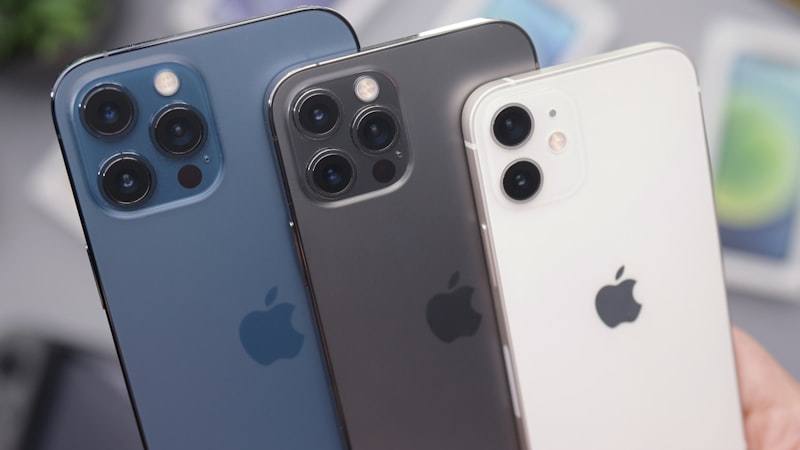
Key Factors Influencing Depreciation
Several factors contribute to the rate at which an iPhone loses value:
- Age: This is the most significant factor. Each new iPhone release significantly impacts the value of older models. As technology advances, older devices are perceived as less desirable, even if they remain fully functional.
- Condition: Physical condition plays a vital role. Scratches, dents, and screen damage significantly reduce resale value. Devices with cracked screens or non-functional components are worth considerably less.
- Storage Capacity: Models with higher storage capacities generally command higher resale prices. Users require more storage for apps, photos, and videos, making larger capacity iPhones more appealing on the secondary market.
- Software Updates: Continued software support from Apple is a major driver of resale value. iPhones that receive the latest iOS updates maintain more value because they can access new features and security patches.
- Market Demand: Demand for specific models can fluctuate based on factors like color, limited editions, and carrier compatibility. Unexpected supply chain issues, like those we've seen with display tech causing backlogs, can also temporarily inflate prices.
The Impact of Software Updates on Resale Value
Apple's commitment to providing long-term software updates is a key differentiator. iPhones typically receive iOS updates for five to six years. However, as new iOS versions are released, older devices may experience performance limitations or lack support for certain features. This can accelerate depreciation, even if the device still receives security updates. The performance impact of newer iOS versions on older hardware is a crucial consideration for potential buyers in the secondary market.
Predicting Future Depreciation
Predicting the exact depreciation of an iPhone is complex, but several indicators can help estimate future resale value:
- Historical Data: Analyzing historical resale data for previous iPhone models provides a baseline for predicting depreciation. Examining the value trends of the iPhone 12, 13, 14, and 15 in the years following their release can offer valuable insights.
- Industry Trends: Monitoring industry trends, such as the adoption of new technologies and changes in consumer preferences, can help anticipate future demand for specific iPhone models.
- Supply Chain Reports: Reports from supply chain analysts can provide clues about Apple's future product plans. Information about new features, design changes, and component costs can influence expectations and impact resale values.
- Apple's Patent Activity: Patents filed by Apple can offer glimpses into future technologies and design directions. For instance, activity related to foldable displays at iPhone Open suggests that the introduction of such a device would significantly impact the desirability, and therefore the resale value, of existing form-factor iPhones. See iPhone Open for ongoing analysis.
Strategies for Maximizing Resale Value
While depreciation is unavoidable, several strategies can help maximize the resale value of your iPhone:
- Protect Your Device: Use a protective case and screen protector to minimize physical damage.
- Maintain Good Battery Health: Avoid extreme temperatures and follow best practices for charging to prolong battery life.
- Keep Software Updated: Install the latest iOS updates to ensure compatibility and security.
- Sell at the Right Time: Selling your iPhone before the release of a new model can help you get a better price.
- Consider Trade-In Programs: Apple and other retailers offer trade-in programs that can provide a convenient way to upgrade and receive credit towards a new device.
Understanding the factors that influence iPhone resale value is essential for making informed decisions about upgrading and selling your device. By monitoring market trends and taking proactive steps to protect your iPhone, you can maximize its value and minimize depreciation.