The iPhone's Invisible Upgrades: Are They Enough?
The iPhone's Invisible Upgrades: Are They Enough?
Each year, Apple unveils a new iPhone, boasting advancements in camera technology, processing power, and design. These are the headline features, the selling points designed to entice users to upgrade. However, beneath the surface lies a series of less-publicized, yet significant, incremental improvements. These 'invisible upgrades,' focusing on areas like power efficiency, thermal management, and subtle antenna refinements, contribute significantly to the overall user experience. The question is: in 2026, are these invisible upgrades enough to justify the cost of a new device, especially when the visible changes might seem increasingly marginal?
Editor's pick: Refurbished iPhones on Amazon → As an Amazon Associate, this site earns from qualifying purchases.
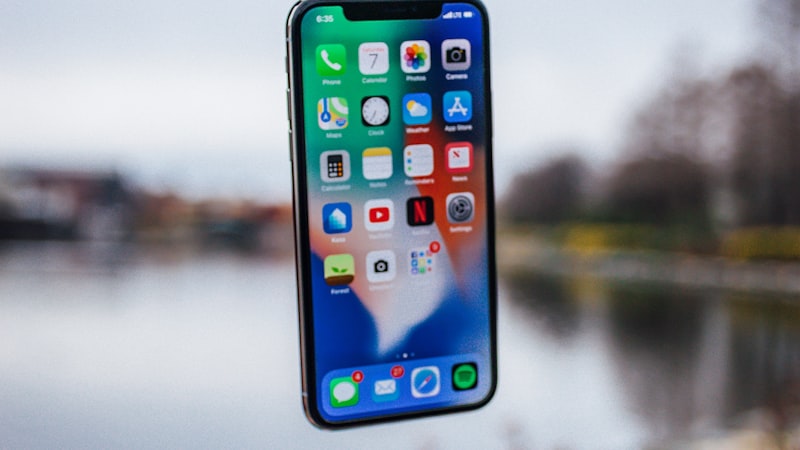
Consider the A-series silicon. While the yearly performance jumps, as measured by benchmarks, are no longer the massive leaps of the past, Apple continues to refine the architecture. Improvements in the Neural Engine, for example, enhance on-device machine learning capabilities, leading to faster photo processing, improved Siri responsiveness, and more intelligent battery management. These enhancements are often invisible to the user, but they contribute to a smoother, more efficient experience.
Similarly, advancements in display technology, while often highlighted, contain numerous invisible improvements. While ProMotion adaptive refresh rates grab headlines, subtle refinements in panel efficiency, color accuracy, and outdoor visibility contribute to a better visual experience, often without being explicitly advertised. As we explored in our analysis of display technology at iPhone View, the incremental improvements in OLED technology have resulted in significant gains in brightness and power efficiency over the past few years.
The Problem of Diminishing Returns
The challenge, of course, is the law of diminishing returns. As iPhones become more mature, the impact of each incremental improvement becomes less noticeable. While a 20% increase in processing power might have been transformative five years ago, in 2026, it might only translate to a slightly faster app launch or a marginally smoother gaming experience. The question users are increasingly asking is: is that marginal improvement worth the significant cost of a new iPhone?
The Ecosystem Effect
Apple's tightly integrated ecosystem further complicates the upgrade decision. New features often rely on the latest hardware and software, creating a compelling incentive to upgrade for users deeply invested in the Apple ecosystem. Features like advanced augmented reality experiences or computationally intensive camera modes might be exclusive to the newest devices, pushing users to upgrade even if the core performance improvements are minimal.
Furthermore, software updates, while generally supported for several years, often bring performance optimizations that are more pronounced on newer hardware. While older iPhones will still receive security updates, they might not benefit from the full potential of the latest iOS features, potentially impacting usability over time.
Making the Upgrade Decision
In 2026, the decision to upgrade an iPhone hinges on a careful evaluation of individual needs and priorities. For users who demand the absolute best performance, the latest camera technology, and access to all the newest features, upgrading every year or two might be worthwhile. However, for more budget-conscious users, or those who prioritize sustainability, holding onto their iPhones for longer might be a more sensible option.
The invisible upgrades, while important, should be viewed as a contributing factor, not the sole determinant, in the upgrade decision. Consider the overall user experience, the longevity of the device, and the value proposition of the upgrade before making a purchase. And, as we've covered extensively on iPhone Evolve, explore the trade-in market and consider refurbished options to potentially lower the total cost of ownership.
Questions readers ask
How does invisible upgrades enough stack up against what Samsung or Google already ship?
Android OEMs reached this corner of the market first, but they did so with looser tolerances on durability and software polish. Apple's bet is that arriving second with a tighter integration story wins more buyers than arriving first.
Have patents or job listings hinted at invisible upgrades enough?
Yes — recent USPTO filings reference adjacent mechanisms, and Apple has been quietly posting roles in the relevant hardware and software teams. None of that guarantees a ship date, but it confirms the project is actively staffed.
Who is the realistic day-one buyer for invisible upgrades enough?
Enthusiasts and developers buy the first run. Mainstream adoption tracks the second-generation revision, once the rough edges are sanded down and the price comes in roughly $100 lower at the same tier.
Does iOS need rearchitecting to make invisible upgrades enough work properly?
Apple would need a window manager or surface-handling layer in iOS to do this well. The plumbing already exists on iPadOS in a limited form, so the engineering question is less invention and more refinement.
In short — what's the takeaway on the ecosystem effect?
It comes back to whether Apple can ship invisible upgrades enough without compromising the parts of the iPhone people already pay for. The detail in this section is where that case is made or broken.