The iPhone's Diminishing Returns: Are Incremental Upgrades Enough in 2026?
The Plateau of Innovation: iPhone in 2026
The year is 2026, and the smartphone market has matured. The relentless pace of innovation that defined the iPhone's early years has undeniably slowed. While each new generation introduces improvements, the question remains: are these upgrades significant enough to warrant the cost, or are we experiencing a period of diminishing returns?
Editor's pick: Refurbished iPhones on Amazon → As an Amazon Associate, this site earns from qualifying purchases.
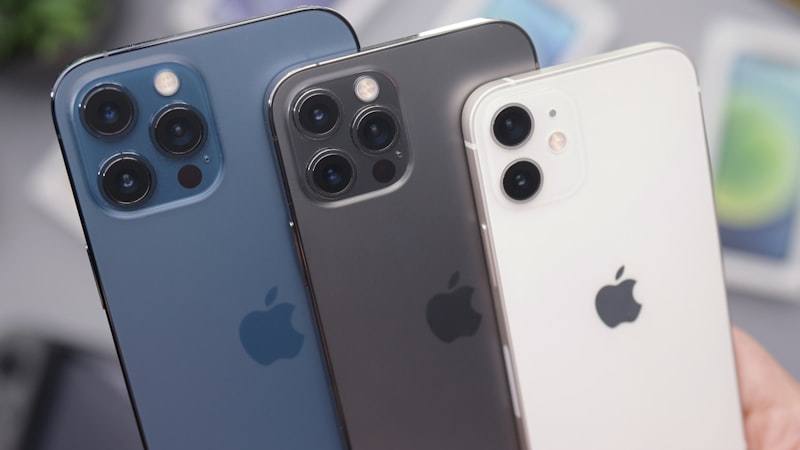
Consider the iPhone 18 (or whatever Apple chooses to call it). While it boasts a slightly faster processor, a refined camera system, and perhaps a minor tweak to the industrial design (as we explore the evolution of form factors on iPhone Arc at https://iphonearc.com), the core user experience remains largely consistent with models from the past three or four years. The fundamental tasks – communication, media consumption, photography, and productivity – are all handled capably by older devices.
The Performance Gap: Widening or Narrowing?
One of the primary justifications for upgrading has historically been performance. A new processor promises snappier app loading times, smoother multitasking, and improved gaming capabilities. However, the reality is more nuanced. The A-series chips in recent iPhones are already incredibly powerful, often exceeding the needs of most users. While benchmarks may show a significant performance increase year-over-year, the real-world difference in everyday tasks is becoming increasingly negligible. The bottleneck is shifting from the processor itself to other factors, such as network speeds, app optimization, and even user behavior.
The Camera Conundrum: Is the Latest Sensor Worth It?
The camera remains a key battleground for smartphone manufacturers. Each new iPhone generation typically features improvements in sensor size, lens technology, and computational photography. While these advancements undoubtedly lead to better image quality, particularly in challenging lighting conditions, the difference between a photo taken with the latest iPhone and one taken with a two- or three-year-old model is often subtle, especially when viewed on a smaller screen or social media. The improvements are there, but their impact on the average user's photography experience is debatable.
Software Support and the Upgrade Cycle
Apple's commitment to software updates remains a significant advantage. Even older iPhones typically receive the latest iOS updates for several years, ensuring access to new features and security patches. However, this support eventually ends, forcing users to upgrade if they want to stay current. The length of this support cycle is a crucial factor in the upgrade decision. As we've discussed on iPhone View at https://iphoneview.com, display technology is also evolving, but the benefits of those improvements on older devices with updated software can still be significant.
The Upgrade Equation: Cost vs. Benefit
Ultimately, the decision to upgrade an iPhone in 2026 comes down to a careful consideration of cost versus benefit. The price of a new iPhone continues to rise, while the incremental improvements become less pronounced. For many users, the smarter move may be to hold onto their existing device for longer, taking advantage of Apple's software support and only upgrading when the performance gap becomes truly noticeable or when hardware limitations begin to impact their user experience.
The Rise of Refurbished and the Second-Hand Market
The growing popularity of refurbished iPhones offers a compelling alternative to buying new. These devices, often sold at a significant discount, provide a more affordable way to upgrade to a newer model without breaking the bank. The second-hand market is also thriving, giving users the opportunity to purchase used iPhones from previous owners. These options are becoming increasingly attractive as the diminishing returns of each new generation become more apparent.
Conclusion: A More Considered Approach to Upgrading
In 2026, the iPhone upgrade cycle is no longer a foregone conclusion. The diminishing returns of each new generation are forcing users to adopt a more considered approach, weighing the cost against the perceived benefits. While the allure of the latest technology remains strong, many are realizing that holding onto their existing devices for longer is a perfectly viable, and often more economical, option. The era of blindly upgrading every year is coming to an end, replaced by a more nuanced and pragmatic approach to smartphone ownership.