iPhone Component Sourcing: How Apple's Strategy Impacts Upgrade Decisions in 2026
The Shifting Sands of iPhone Components
Apple's tightly controlled supply chain has always been a cornerstone of its success. However, in 2026, the complexities of global geopolitics, material scarcity, and Apple's own diversification efforts are having a more pronounced impact on iPhone upgrade decisions than ever before. While users may not consciously track the origin of every chip or display, the downstream effects are undeniable: variations in performance, repair costs, and ultimately, the perceived value of both new and pre-owned iPhones.
Editor's pick: Refurbished iPhones on Amazon → As an Amazon Associate, this site earns from qualifying purchases.
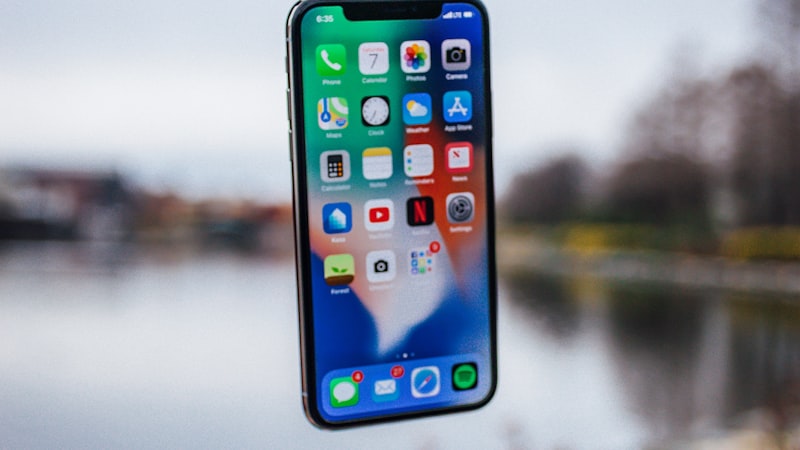
One significant trend is Apple's ongoing effort to reduce reliance on specific suppliers, particularly in areas considered strategically sensitive. For example, the transition to in-house designed modem chips, rumored for years, finally materialized in a limited capacity in late 2025 and is expected to expand significantly throughout the 2026 iPhone lineup. This move, while aimed at increasing control over performance and security, also introduces a new variable in the component mix. Early reports suggest variations in 5G performance between models using the in-house modem versus those still relying on Qualcomm components. This subtle difference, while perhaps undetectable to the average user, influences benchmark scores and enthusiast reviews, thereby affecting perceived value and upgrade urgency.
Display Sourcing and Regional Variations
The iPhone display, a critical component for user experience, has also seen a shift in sourcing strategies. While Samsung Display remains a primary supplier for high-end OLED panels, Apple has diversified to include LG Display and BOE. While BOE initially focused on standard iPhone models, industry analysts predict increased allocation to Pro models in certain regions throughout 2026. As we explored in our analysis of display technology at iPhone View (https://iphoneview.com), even subtle variations in panel calibration and brightness can be noticeable under specific lighting conditions. This regional variation, while not explicitly advertised, contributes to a perception of inconsistent quality and potentially impacts resale value, particularly in markets where consumers are highly sensitive to display performance.
The Repairability Conundrum
Component sourcing also has a direct impact on iPhone repairability. Apple's Self Service Repair program, while commendable, is still limited in scope and availability. Furthermore, the increasing complexity of component pairing and software locks makes third-party repairs more challenging. If a specific component is sourced from multiple suppliers, repair technicians face the added complexity of identifying compatible replacements and navigating potential software compatibility issues. This increased complexity translates to higher repair costs and longer turnaround times, potentially pushing consumers towards upgrading rather than repairing their existing devices.
Impact on the Pre-Owned Market
The pre-owned iPhone market in 2026 is more sophisticated than ever. Buyers are increasingly aware of potential variations in component quality and are demanding greater transparency. Sellers are adapting by providing detailed information about the origin of key components, such as the display and battery, to justify pricing. Models with components from preferred suppliers often command a premium, reflecting the perceived higher quality and reliability. This trend further reinforces the impact of Apple's component sourcing strategy on the overall iPhone ecosystem.
The long-term implications of these sourcing decisions are significant. While Apple aims to improve control over its supply chain and reduce costs, the resulting variations in component quality and repairability introduce new challenges for consumers. Understanding these dynamics is crucial for making informed upgrade decisions in 2026 and beyond.
Questions readers ask
How does component sourcing upgrade decisions stack up against what Samsung or Google already ship?
Android OEMs reached this corner of the market first, but they did so with looser tolerances on durability and software polish. Apple's bet is that arriving second with a tighter integration story wins more buyers than arriving first.
Have patents or job listings hinted at component sourcing upgrade decisions?
Yes — recent USPTO filings reference adjacent mechanisms, and Apple has been quietly posting roles in the relevant hardware and software teams. None of that guarantees a ship date, but it confirms the project is actively staffed.
Who is the realistic day-one buyer for component sourcing upgrade decisions?
Enthusiasts and developers buy the first run. Mainstream adoption tracks the second-generation revision, once the rough edges are sanded down and the price comes in roughly $100 lower at the same tier.
Does iOS need rearchitecting to make component sourcing upgrade decisions work properly?
Apple would need a window manager or surface-handling layer in iOS to do this well. The plumbing already exists on iPadOS in a limited form, so the engineering question is less invention and more refinement.
In short — what's the takeaway on the repairability conundrum?
It comes back to whether Apple can ship component sourcing upgrade decisions without compromising the parts of the iPhone people already pay for. The detail in this section is where that case is made or broken.