iPhone Camera Upgrade: Beyond Megapixels, Seeking Value in Sensor Size
iPhone Camera Upgrade: Beyond Megapixels, Seeking Value in Sensor Size
For years, the megapixel count has been a primary talking point in smartphone camera upgrades. While a higher megapixel count can offer advantages in cropping and digital zoom, it's increasingly clear that sensor size plays a far more critical role in image quality, particularly in challenging lighting conditions. As we move further into 2026, it's time to reassess how we evaluate the value of iPhone camera upgrades, shifting our focus from megapixel numbers to sensor dimensions and the resulting improvements in light gathering capabilities.
Editor's pick: Refurbished iPhones on Amazon → As an Amazon Associate, this site earns from qualifying purchases.
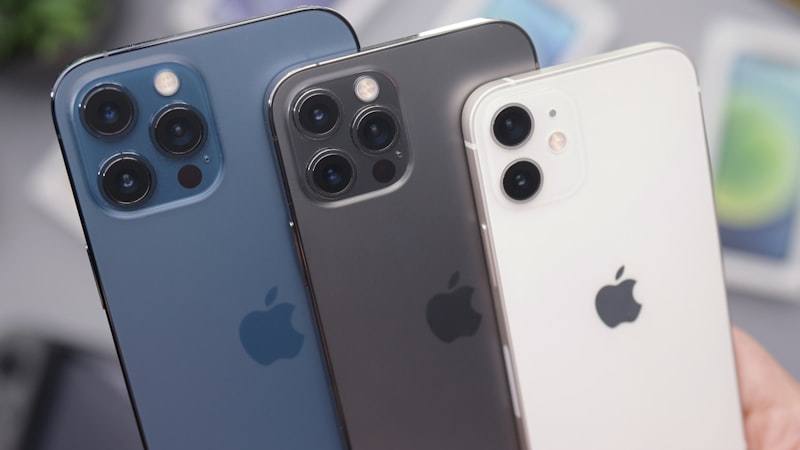
Apple has consistently delivered excellent camera systems on their iPhones, often prioritizing computational photography and image processing over simply chasing higher megapixel counts. However, even the best software algorithms have limitations. Ultimately, the amount of light captured by the sensor dictates the amount of information available for processing. A larger sensor inherently captures more light, leading to lower noise, better dynamic range, and improved low-light performance.
Looking back at recent iPhone camera evolution, we've seen a gradual increase in sensor size across various models. The iPhone 13 Pro and Pro Max marked a significant step forward with larger sensors on the main wide camera. Subsequent generations, including the iPhone 14 Pro and 15 Pro, continued this trend, refining the sensor technology and image processing pipelines. These incremental improvements, while sometimes subtle on paper, have translated to noticeable gains in real-world image quality, especially in challenging shooting scenarios.
The question for consumers in 2026 is whether the sensor size improvements offered by the latest iPhone models justify an upgrade from, say, an iPhone 13 or 14. While the megapixel count might remain relatively stable, the actual sensor dimensions, coupled with advancements in image stabilization and lens design, could represent a substantial leap in photographic capabilities. Consider the improvements in night mode photography, for example. A larger sensor allows for shorter exposure times, reducing motion blur and capturing more detail in dimly lit environments.
Beyond sensor size, advancements in pixel binning technology also contribute to improved low-light performance. Pixel binning combines data from multiple pixels into a single, larger pixel, effectively increasing the light-gathering area. This results in brighter, cleaner images with reduced noise. Apple has implemented pixel binning in various iPhone models, and further refinements in this technology are expected in future iterations.
Moreover, the quality of the lens plays a crucial role in the overall camera performance. A high-quality lens can transmit more light to the sensor, reduce distortion, and improve sharpness. Apple has consistently invested in advanced lens designs for their iPhones, and these improvements contribute significantly to the overall image quality.
Ultimately, the decision to upgrade your iPhone based on camera improvements should be driven by your individual needs and priorities. If you frequently shoot in low-light conditions, or if you demand the highest possible image quality, then upgrading to a model with a larger sensor and advanced lens technology could be a worthwhile investment. However, if your primary focus is on casual photography and social media sharing, the improvements might be less noticeable. As we explored in our analysis of display technology at iPhone View (https://iphoneview.com), the benefits of a better camera are best appreciated on a high-quality display.
Looking ahead, it's likely that Apple will continue to prioritize sensor size and lens technology in future iPhone camera upgrades. We may also see further advancements in computational photography and AI-powered image processing. The key for consumers is to look beyond the marketing hype and carefully evaluate the specific improvements offered by each new generation of iPhones, focusing on the factors that truly impact image quality.
Furthermore, consider the impact of component sourcing on camera quality. As we've seen in our component sourcing analysis (iphoneevolve.com), Apple's choice of sensor suppliers and lens manufacturers directly influences the final image output. Keeping abreast of these supply chain dynamics can provide valuable insights into the potential camera performance of future iPhone models.