iPhone 14 Value in 2026: Is it Time to Let Go?
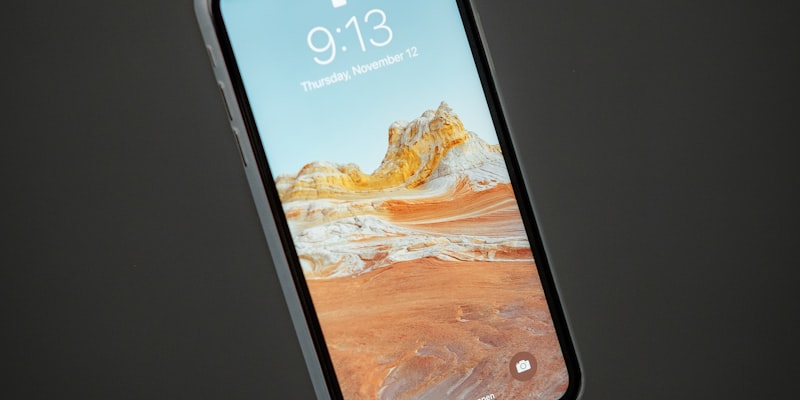
Photo: Unsplash
Editor's pick: Refurbished iPhones on Amazon → As an Amazon Associate, this site earns from qualifying purchases.
iPhone 14 Value in 2026: Is it Time to Let Go?
The iPhone 14, released in late 2022, is now entering its fourth year of service. While Apple's devices are known for their longevity, the question for many iPhone 14 owners in 2026 is becoming increasingly pressing: Is it still worth holding onto, or is it time to trade in and upgrade?
Depreciation and Trade-In Value
Predicting exact trade-in values is difficult, but several factors influence the depreciation of an iPhone. The release of newer models, battery health, physical condition, and storage capacity all play a significant role. Looking at historical trends, we can expect an iPhone 14 in good condition with a decent battery to fetch a trade-in value somewhere between $150 and $300 in late 2026. This range, of course, depends on the specific model (standard, Plus, Pro, Pro Max) and any promotions Apple or third-party retailers might be offering.
It's crucial to remember that this value will likely continue to decline as newer iPhones are released. Battery replacement, if needed, can slightly improve trade-in value, but the cost of replacement should be weighed against the potential increase.
Performance and Software Updates
The iPhone 14 is powered by the A15 Bionic chip, a capable processor that continues to handle most tasks with ease in 2026. However, as app developers increasingly optimize for newer silicon, the A15's performance may begin to show its age, particularly in demanding games or resource-intensive applications. Multitasking and responsiveness could also become noticeably slower compared to newer models.
Software updates are another critical consideration. Apple typically provides software support for five to six years after a device's release. While the iPhone 14 is almost certain to receive iOS 20 in 2026, its future beyond that point is less certain. Continued software updates are essential for security patches and access to the latest features. If Apple were to discontinue support for the iPhone 14 in the next year or two, that could be a significant factor in deciding to upgrade.
Camera Capabilities and User Needs
The iPhone 14's camera system, while capable, lags behind the advancements found in the iPhone 16 and 17. The sensor size, processing power, and features like advanced computational photography have all improved significantly in subsequent generations. If photography is a primary concern, upgrading to a newer iPhone will offer a noticeable improvement in image quality, especially in low-light conditions.
Ultimately, the decision to upgrade depends on individual needs and priorities. If you primarily use your iPhone for basic tasks like calling, texting, and browsing the web, and you're satisfied with the performance and camera quality, the iPhone 14 is likely still a viable option. However, if you're a power user who demands the best performance, cutting-edge camera features, and the latest software updates, upgrading to a newer model is worth considering.
Future-Proofing and Emerging Technologies
Beyond immediate usability, consider the future. Emerging technologies like augmented reality (AR) and more advanced machine learning (ML) are becoming increasingly integrated into mobile experiences. Newer iPhones, with their more powerful processors and dedicated hardware, are better equipped to handle these demanding tasks. While the iPhone 14 can likely run basic AR applications, it may struggle with more complex or immersive experiences. As these technologies become more prevalent, the limitations of older hardware will become more apparent.
Supply chain reports also suggest a continued push towards improved battery technology and faster charging speeds in upcoming iPhones. While the iPhone 14's battery life is adequate, it's unlikely to match the efficiency and longevity of newer models. Fast charging capabilities have also become significantly faster, reducing downtime and improving overall convenience.
In conclusion, the iPhone 14 remains a functional device in 2026. However, weighing the declining trade-in value, potential software support limitations, and the advancements in newer iPhones is crucial in making an informed decision about whether to upgrade. For many, the benefits of upgrading may outweigh the cost, offering a significant improvement in performance, camera capabilities, and overall user experience.