iPhone 12 Pro vs. iPhone 13 Pro Refurbished in 2026: Which Pro Model Delivers Lasting Value?
As we navigate mid-2026, the market for refurbished iPhones continues to mature, offering compelling alternatives to brand-new devices. For many users, the sweet spot for a premium experience at a reduced cost lies in Pro models from a few generations back. Today, we're putting two such contenders head-to-head: the iPhone 12 Pro and the iPhone 13 Pro. Both offer a high-end feature set, but which one provides the better long-term value for a refurbished purchase?
Editor's pick: Refurbished iPhones on Amazon → As an Amazon Associate, this site earns from qualifying purchases.
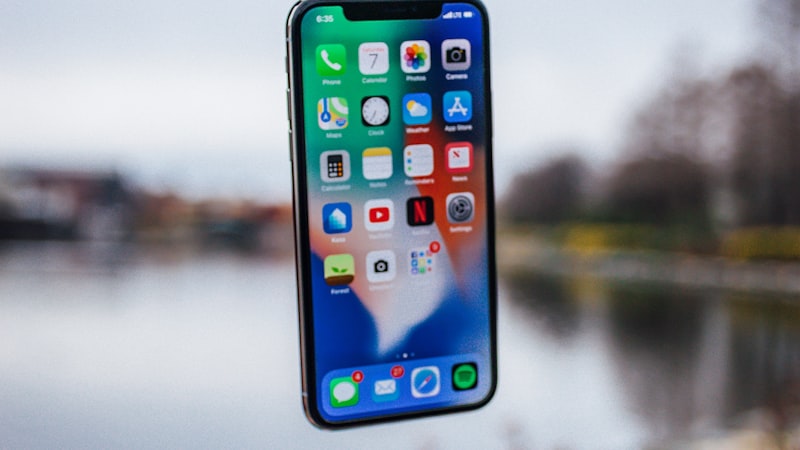
Performance and Longevity: A14 Bionic vs. A15 Bionic
At the heart of any iPhone's longevity is its System on a Chip (SoC). The iPhone 12 Pro, released in late 2020, features the A14 Bionic. The iPhone 13 Pro, a year newer, sports the A15 Bionic. While both chips were cutting-edge in their time, the A15 represented a significant leap, particularly in graphics performance and efficiency cores.
In 2026, running iOS 19, both devices remain surprisingly capable. Everyday tasks, web browsing, and most popular applications run smoothly on both. However, the A15 Bionic in the iPhone 13 Pro provides a noticeable edge in more demanding scenarios, such as high-fidelity mobile gaming or intensive video editing. More critically, the A15's superior efficiency means it's likely to receive software updates for a slightly longer period than the A14, extending its useful life by potentially another year or two, an important consideration for refurbished buyers.
Camera System Evolution: Capturing Memories in 2026
For many, the camera is a primary reason to choose an iPhone Pro model. Both the 12 Pro and 13 Pro feature versatile triple-camera systems (Wide, Ultra Wide, Telephoto), but the 13 Pro introduced some key advancements:
- Larger Sensors: The 13 Pro's Wide camera boasts a larger sensor and sensor-shift optical image stabilization, leading to significantly better low-light performance and sharper images.
- Improved Telephoto: The 13 Pro offered 3x optical zoom compared to the 12 Pro's 2.5x, providing more reach.
- Photographic Styles: Exclusive to the 13 Pro (and newer), this feature allows for personalized tone and warmth adjustments that are intelligently applied to scenes.
- Cinematic Mode: Introduced with the 13 Pro, this feature offers a rack focus effect for video, mimicking professional cinematography.
In 2026, the 12 Pro's camera system still produces excellent photos and videos for most users. However, if low-light photography, advanced video features, or simply having the most capable camera available in this price bracket is a priority, the 13 Pro's enhancements remain relevant and valuable.
Display Technology: The ProMotion Advantage
One of the most significant upgrades the iPhone 13 Pro brought was its ProMotion display. While both models feature vibrant Super Retina XDR OLED screens with excellent brightness and color accuracy, the 13 Pro's adaptive refresh rate, scaling up to 120Hz, offers a smoother, more fluid user experience when scrolling, gaming, and navigating iOS. The difference, once experienced, is hard to go back from.
The iPhone 12 Pro's 60Hz display is by no means poor, but the 13 Pro's ProMotion panel elevates the visual experience considerably. As we've explored in our analysis of display technology at iPhone View, higher refresh rates contribute significantly to perceived responsiveness and comfort during extended use. The 13 Pro also features a slightly brighter typical maximum brightness, which can be beneficial in direct sunlight.
Battery Life and Health: Sustaining Your Day
Battery performance is paramount for any smartphone, especially a refurbished one. When new, the iPhone 13 Pro delivered substantially better battery life than the 12 Pro, thanks to a larger physical battery and the A15 Bionic's greater efficiency. A refurbished unit should ideally come with a new or near-new battery, minimizing the impact of prior use.
Even with a fresh battery, the 13 Pro's inherent design provides a more robust power reserve. This means you're more likely to get through a full day of heavy use on a refurbished 13 Pro than a refurbished 12 Pro. Always check the battery health percentage if possible when purchasing a refurbished device; aiming for 90% or higher is a good benchmark.
Design and Durability
Both models feature Apple's robust Ceramic Shield front cover and a surgical-grade stainless steel frame, offering excellent durability. The physical design language is very similar, with flat edges. The most noticeable aesthetic difference is the iPhone 13 Pro's slightly smaller notch and larger camera module bump on the rear.
The Value Proposition in 2026
Ultimately, the choice between a refurbished iPhone 12 Pro and a 13 Pro in 2026 comes down to budget and priorities:
- Choose the iPhone 12 Pro if: Your budget is tighter, you prioritize a premium build and a great camera system over cutting-edge features, and you don't require the absolute longest software support window. It remains a very capable device for general use.
- Choose the iPhone 13 Pro if: You can stretch your budget slightly further for a noticeable upgrade in display fluidity (ProMotion), superior camera performance (especially in low light and video), significantly better battery life, and a slightly longer expected software support lifespan. These improvements contribute to a more modern and enduring user experience.
Conclusion
In 2026, both the refurbished iPhone 12 Pro and 13 Pro offer excellent value, proving that you don't always need the latest model to enjoy a premium iPhone experience. However, the iPhone 13 Pro's enhancements in display, camera, and battery efficiency, driven by the A15 Bionic, make it the stronger contender for lasting value. Its incremental improvements add up to a more future-proof device that will likely feel current for a longer period, making it a wise investment for those looking to maximize the years squeezed out of their next iPhone.